
What is F1?
What is F1? A Complete Guide
Formula 1, or F1, is widely regarded as the pinnacle of motorsport, combining cutting-edge technology, lightning-fast cars, and some of the most skilled drivers in the world. Every year, millions of fans around the globe tune in to watch thrilling races that push both man and machine to the limit. But what exactly is F1, and why has it captured the imagination of so many?
In this guide, we’ll take you through everything you need to know about Formula 1. From its fascinating history and iconic drivers to the advanced engineering behind the cars and the intricacies of a race weekend, this page covers it all. We’ll also explain key F1 terminology and highlight the rivalries and teams that make the sport so exciting. Whether you’re a complete beginner or just looking to brush up on your knowledge, this guide is your ultimate introduction to the world of Formula 1 racing.
The History of Formula 1
The History of Formula 1
The history of Formula 1 dates back to the aftermath of World War II, when motorsport enthusiasts sought to create a structured, international championship for the fastest and most advanced racing cars of the era. In 1950, the very first F1 World Championship was held, with Italian driver Giuseppe Farina claiming the inaugural title. From that point on, Formula 1 rapidly grew into a highly organized and competitive global sport, attracting top drivers and manufacturers from around the world.
Throughout the decades, F1 has been shaped by legendary figures who became icons both on and off the track. Ayrton Senna’s unparalleled skill and tragic legacy in the 1980s and early 1990s brought unprecedented attention to the sport, while Michael Schumacher’s dominance in the 2000s with Ferrari cemented F1’s status as a showcase of precision, talent, and engineering excellence. In the modern era, stars like Lewis Hamilton and Max Verstappen continue to push the limits, combining speed, strategy, and cutting-edge technology.
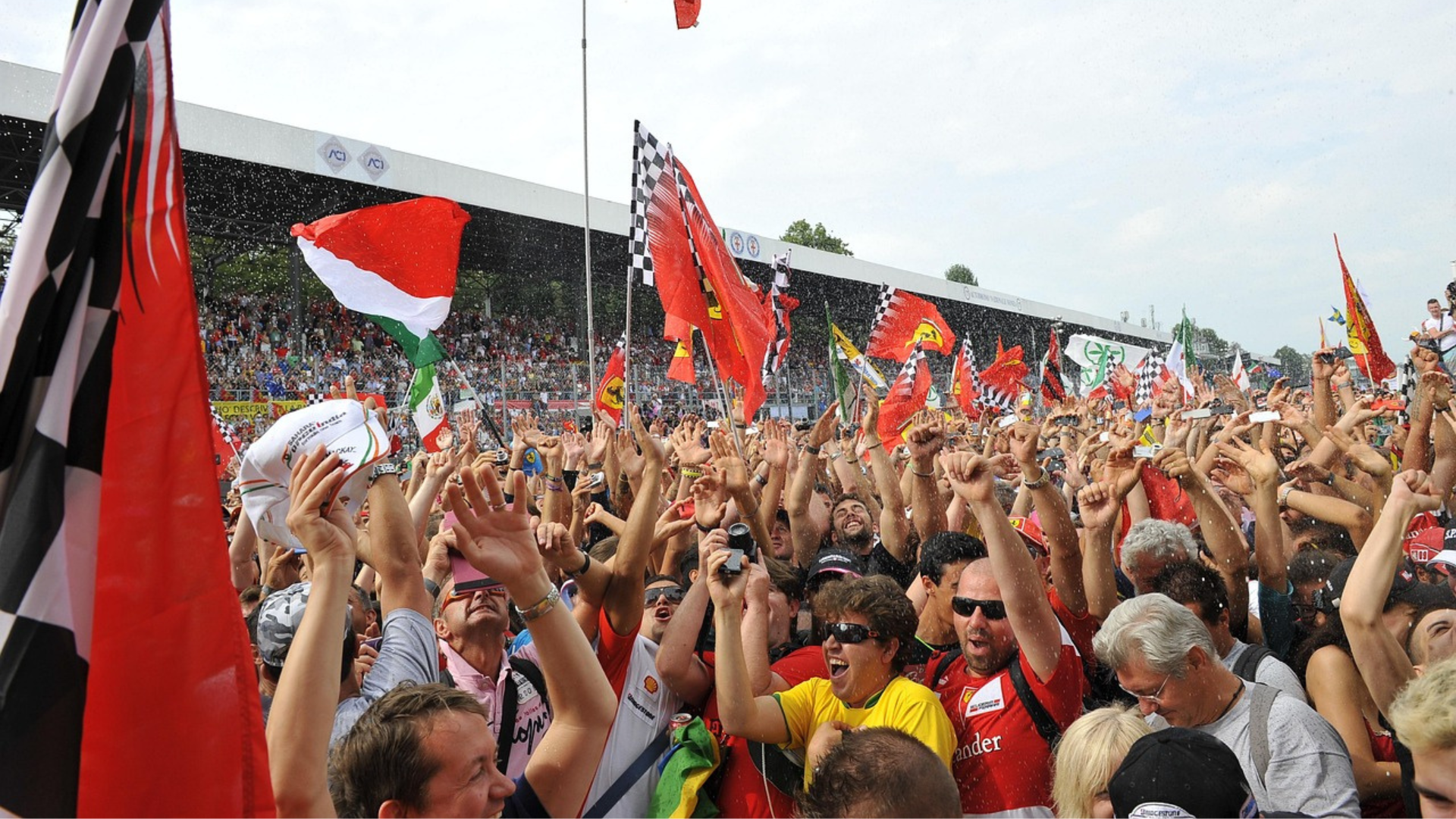
Formula 1’s global popularity stems from more than just the races themselves. The combination of high-speed action, intricate team strategies, engineering innovation, and the larger-than-life personalities of drivers has captivated audiences worldwide. From historic circuits like Monza and Monaco to modern tracks in Singapore and Abu Dhabi, F1 has become a truly international spectacle that appeals to fans of all ages and backgrounds.
F1 Rivalries
Rivalries have always been at the heart of Formula 1, adding drama, excitement, and unforgettable moments to the sport. These intense battles between drivers push competitors to their limits, both on and off the track, and often define entire eras of racing. One of the most legendary rivalries in F1 history was between Ayrton Senna and Alain Prost during the late 1980s and early 1990s. Their fierce competition, marked by high-speed duels and controversial clashes, captivated fans and showcased the raw intensity of the sport.
In more recent years, the rivalry between Lewis Hamilton and Max Verstappen has taken center stage. Their battles combine speed, strategy, and sheer determination, keeping fans on the edge of their seats and making headlines around the globe. These rivalries highlight not only individual skill but also the intricate teamwork, technology, and strategy involved in Formula 1 racing.
Understanding F1 rivalries is a great way to appreciate the sport’s rich history and ongoing excitement. For a deeper look at the most famous driver battles, including detailed stories and memorable moments, explore our full cluster page on F1 Rivalries.
Common F1 Terminology
Common F1 Terminology and Jargon
Like many sports, Formula 1 has its own unique set of terms that can feel overwhelming to new fans. Understanding these phrases is an important step in following the action and appreciating the strategies that unfold during a race.
One of the most common pieces of F1 terminology is DRS (Drag Reduction System), which allows drivers to open a flap on the rear wing for extra speed when within one second of the car ahead. Another is ERS (Energy Recovery System), a hybrid technology that stores energy from braking and deploys it for added power. You’ll also hear the phrase pole position, which refers to the driver who qualifies fastest and starts at the very front of the grid.
Strategy plays a big role in Formula 1 explained through terms like the undercut, where a driver pits earlier than their rival to take advantage of fresh tyres and potentially gain track position. Even simple words like chicane (a tight sequence of corners) or slipstream (gaining speed by staying in another car’s aerodynamic wake) are part of the language every fan eventually picks up.
To dive deeper into the full glossary of racing terms and their meanings, explore our dedicated guide on F1 Terminology.
Why F1 is So Popular
Formula 1 has captured the imagination of fans worldwide because it combines speed, skill, and drama like no other sport. At its core, the thrill comes from watching the fastest cars in the world pushed to their absolute limits by drivers with extraordinary reflexes and precision. Every race is a blend of high-speed action and split-second decision-making, keeping fans on edge from start to finish.
Beyond the racing itself, technology is a huge part of why F1 is popular. The sport has always been a testing ground for innovation, with advancements in aerodynamics, hybrid engines, and safety systems that often filter down into everyday cars. This constant evolution makes each season feel fresh and unpredictable.
What also sets Formula 1 apart are the personalities and rivalries that unfold both on and off the track. From iconic battles between champions to the glamour of global races in cities like Monaco and Singapore, F1 has become a truly international spectacle. It’s not just a race – it’s a blend of sport, science, and entertainment that explains why Formula 1 remains one of the most popular competitions in the world.
Statistics
- Viewers from over 186 countries
- F1 the movie is the largest grossing sports film of all time (over $600 million)
- In 2025, the first 14 Grand Prixs witnessed record high visitors – over 3,9 million
- 2025 season opener in Albert Park had over 60 million viewers worldwide
- Global fanbase of 827 million
Getting Started as an F1 Fan
If you’re new to Formula 1, the best place to start is by actually watching the races. Most broadcasters air them live on TV, while official streaming platforms and mobile apps let you follow the action on the go.
Once you’re tuning in, pick a favorite driver or team to follow, whether it’s a legendary name like Ferrari, a rising star, or a reigning champion. Having someone to cheer for adds excitement and gives context to each battle on track.
Finally, don’t forget the community aspect. Formula 1 has one of the most passionate global fanbases, with forums, social media groups, and dedicated websites where you can share opinions, debate race strategies, and stay updated on the latest news. Getting involved in these communities not only deepens your understanding but also makes following the sport more fun. With just a little guidance, you’ll quickly go from casual viewer to fully immersed F1 fan.
Why Formula 1 Captivates the World
Formula 1 isn’t just racing, it’s a blend of speed, strategy, technology, and human drama unlike anything else in sport. From legendary rivalries to groundbreaking innovations, F1 continues to evolve while keeping millions of fans on the edge of their seats every race weekend.
If you’re new, this guide is just the beginning. Dive deeper into our dedicated cluster pages like F1 Terminology, F1 Rivalries, and our F1 History Timeline to explore the sport in detail. Whether you want to learn the basics, follow your favorite driver, or relive iconic moments, there’s always something new to discover in Formula 1.
Welcome to the world of Formula 1 – you’re in for an incredible ride.
