
Last updated: 17/11/2025
The Business of Combat: UFC vs F1 Sponsorship Models
Sponsorship is the financial backbone of modern sports, and few industries show this more clearly than UFC and Formula 1. Both sit at the top of their fields, both command global audiences, and both rely heavily on corporate partnerships. Yet their sponsorship models couldn’t be more different.
In this article, we break down how UFC sponsorship works, how F1 sponsorship works, and why the two sports use such contrasting strategies. If you’re a fan of combat sports, motorsport, or the business side of elite competition, this guide will help you understand how money flows through both worlds.
UFC Sponsorship: A Controlled System Built Around the Brand
While the UFC has grown into a multi-billion-dollar powerhouse, its sponsorship structure is surprisingly centralized. Unlike most sports, fighters can’t simply bring in their own sponsors during events, everything runs through the UFC.
🔴 The UFC’s Exclusive Uniform Deal
Since the introduction of the Reebok deal in 2015 and later the Venum partnership, the UFC completely controls:
- Fight kits
- Walkout gear
- Cage signage
This means fighters cannot display their personal sponsors during fight week, at weigh-ins, or inside the octagon. Only UFC-approved brands are permitted.
🔴 Sponsorship Inventory Controlled by the UFC
The UFC sells sponsorship slots across:
- The canvas
- Post-fight interview backdrops
- Fight kits
- Broadcast integrations
- Digital placements on UFC Fight Pass and social channels
This ensures the UFC maximizes revenue – and brand consistency – while fighters receive a structured share based on ranking and number of fights.
🔴 Fighters Depend on Off-Event Sponsorship
Outside of fight week, fighters can still strike deals through:
- Social media promotion
- Gym partnerships
- Local business sponsorships
- Personal appearances
But these opportunities vary wildly depending on popularity. Unlike F1, where drivers are central promotional assets, UFC fighters operate more independently and often rely on their own hustle.
F1 Sponsorship: A Multi-Layered, Team-Driven Marketplace
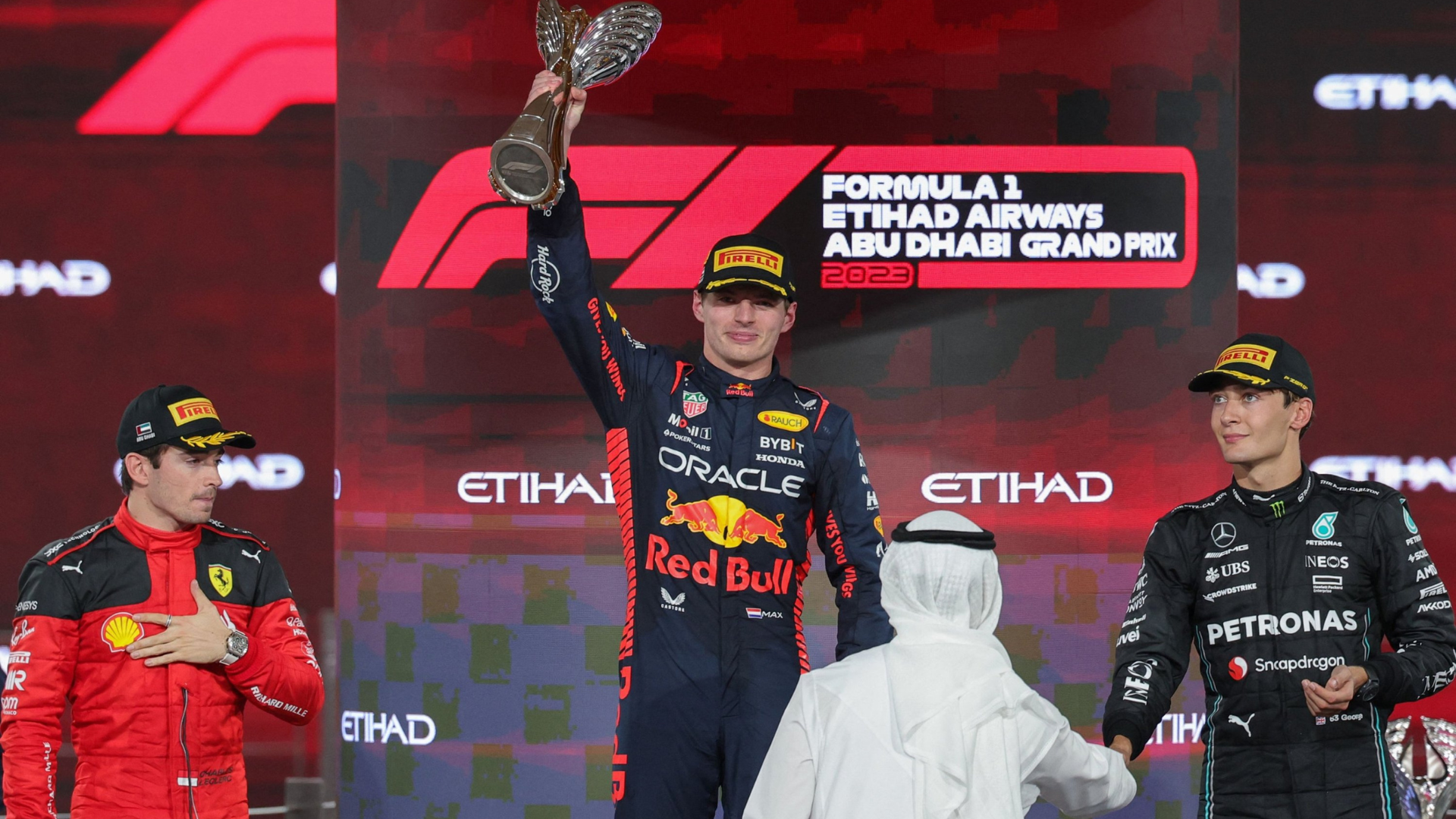
In Formula 1, sponsorship is the lifeblood of each team. Without it, even historic teams struggle to stay competitive. Drivers, cars, race suits, and even the team’s official water bottle can carry sponsor logos.
🔵 Team-Centric Sponsorship System
Every team – Ferrari, Mercedes, Red Bull, McLaren – operates like a standalone business with dozens of partners. Sponsorships vary in value and visibility:
- Title sponsors (e.g., Oracle Red Bull Racing, Mercedes-AMG Petronas)
- Premium partners (large logo placements, major integration)
- Technical partners (supplying equipment or services)
- Regional partners (limited-market deals)
- Driver personal sponsors (allowed and encouraged)
🔵 Drivers Can Bring Sponsors to Teams
This is one of the biggest differences between UFC and F1.
Drivers can:
- Wear personal sponsor logos on caps or helmets
- Promote brands on social media
- Bring multimillion dollar deals that help them secure seats
Examples include energy drink brands, tech companies, or local sponsors backing young drivers.
🔵 Trackside Branding and Event Sponsorship
F1 has sponsorship layered at the event level too:
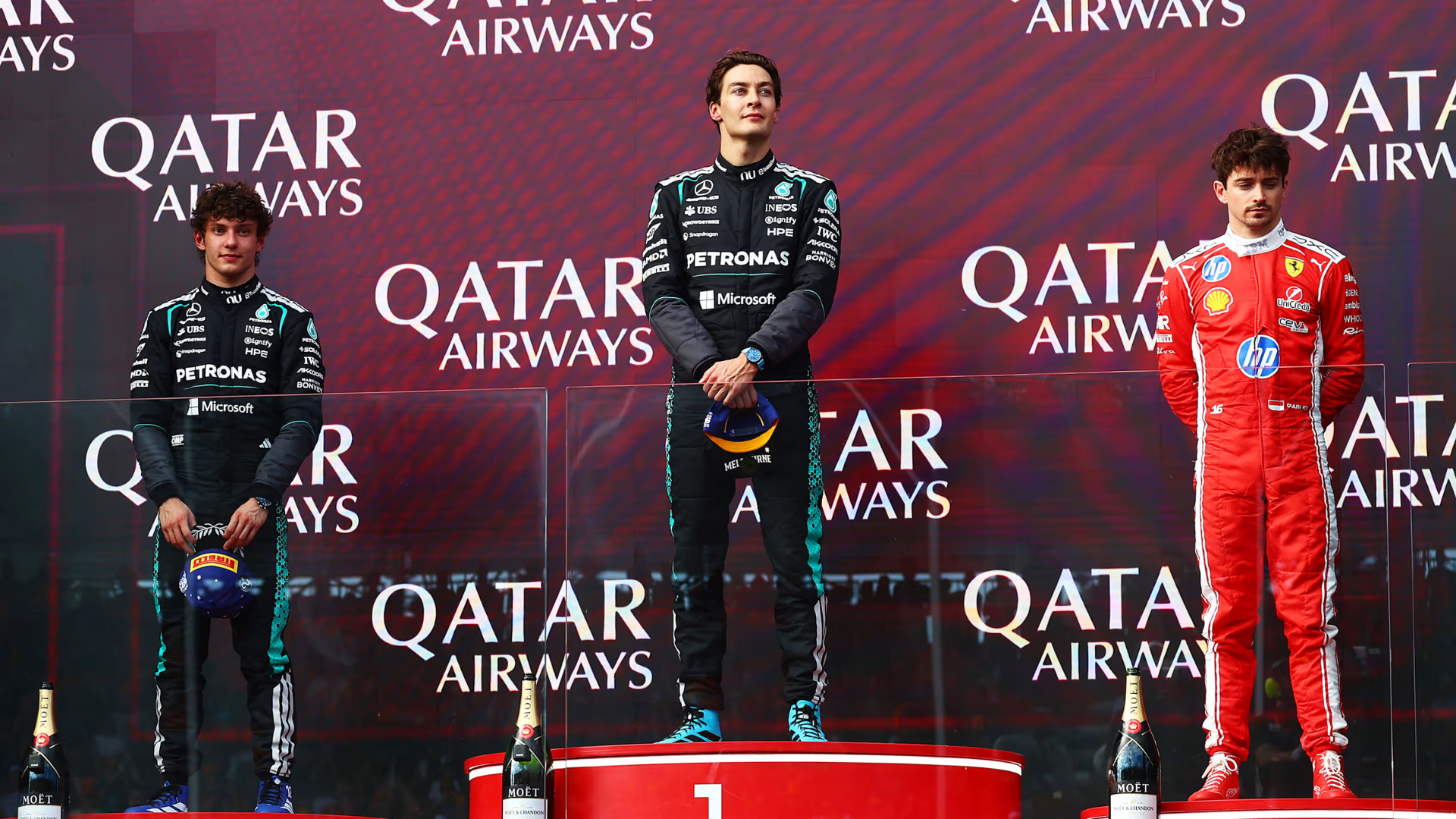
- Race naming rights (e.g., Qatar Airways Lusail GP)
- Circuit advertising boards
- Paddock Club branding
- Hospitality sponsorships
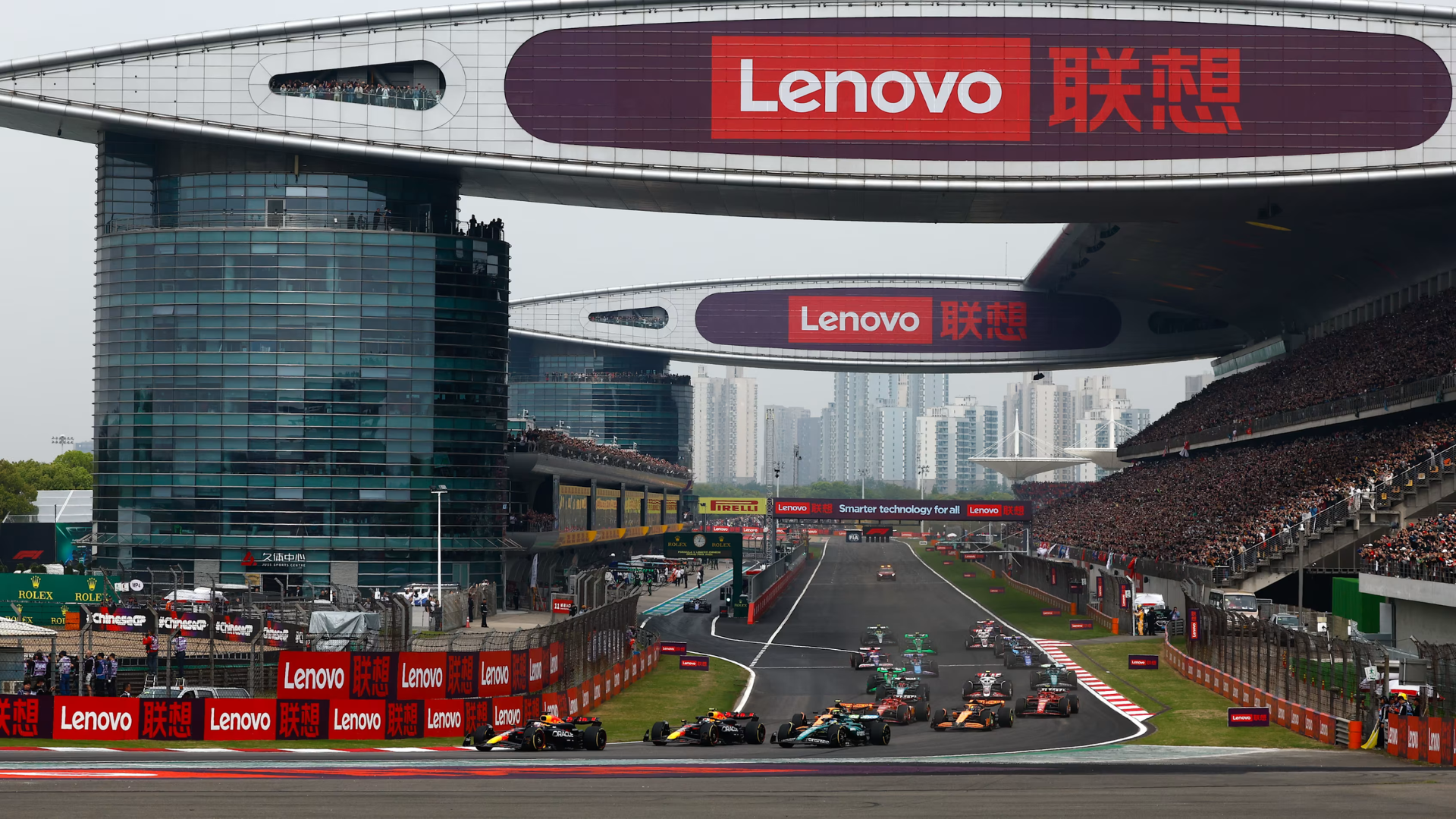
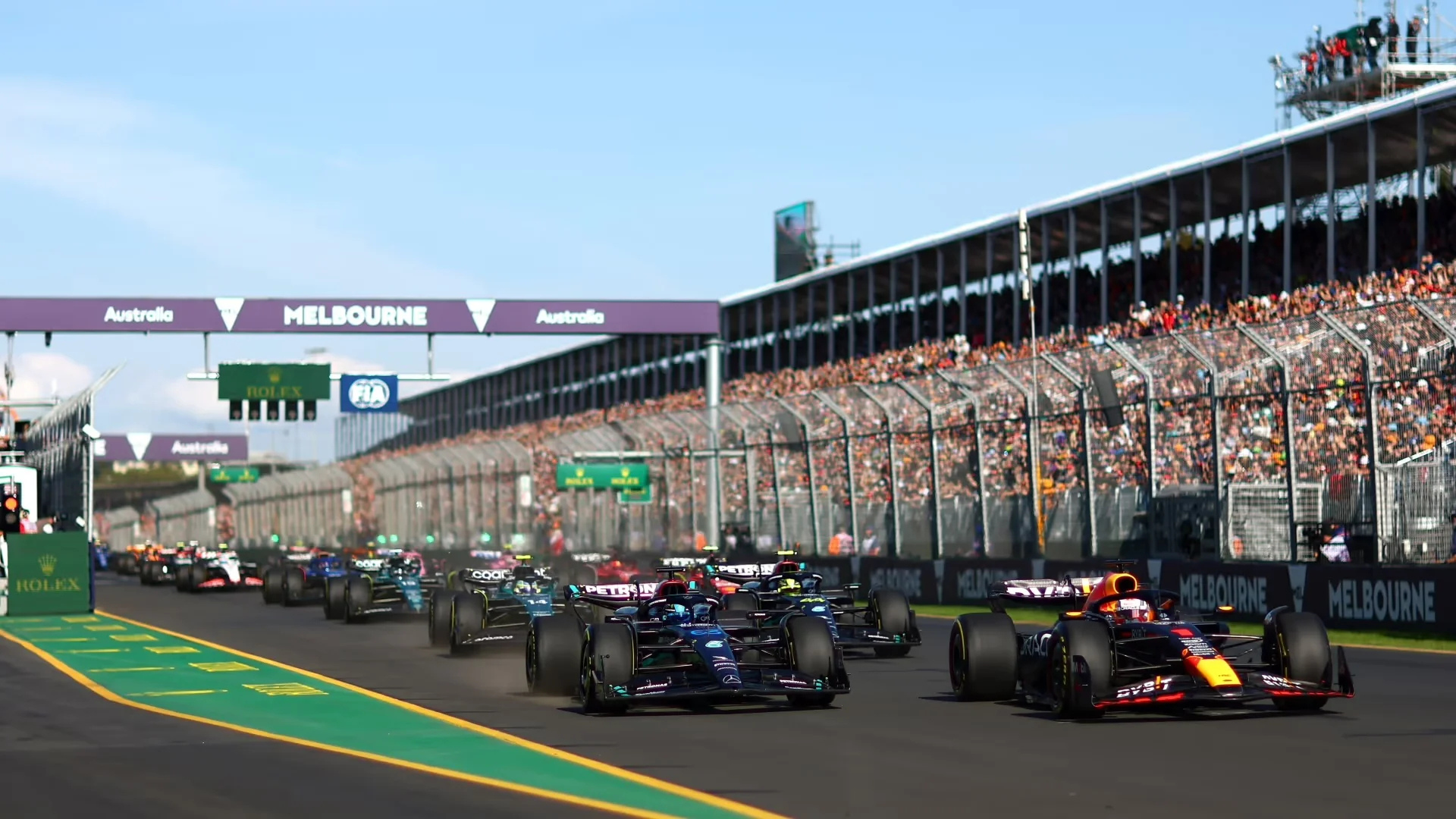
The sport is built for sponsors – literally. Long straights, slow corners, and TV-friendly angles maximise logo visibility.
UFC vs F1 Sponsorship Models: Key Differences
1. Centralized vs Decentralized Control
- UFC: The organization controls almost everything.
- F1: Teams and drivers operate their own sponsorship ecosystems.
2. Fighter Limitations vs Driver Freedom
- UFC fighters have restrictions during fight week.
- F1 drivers can have personal brands visible at nearly all times.
3. Team Branding vs Individual Branding
- UFC focuses on UFC branding first, fighters second.
- F1 drivers have their own star power that sponsors love.
4. Sponsorship Value Distribution
- UFC fighters often earn far less from sponsors than UFC itself.
- In F1, sponsorship money usually goes straight to the team budget, improving performance and giving the driver a better car.
5. Global Visibility
- F1 has a worldwide, corporate-heavy audience.
Why the Models Are So Different
UFC Is a Show – F1 Is a Technical Sport
UFC has always controlled presentation, branding, and visuals to maintain a consistent identity. The action happens in a small space: a cage. Visual real estate is limited.
In F1, there’s a car, a track, multiple drivers, massive team infrastructure, and hours of coverage per race. Sponsors have endless touchpoints.
Fighter Promotion vs Team Ecosystem
Fighter storylines often depend on matchmaking and hype. F1 storylines revolve around teams, history, and technology. That opens the door for higher-value, multi-year sponsorships.
Revenue Priorities
- UFC makes much of its money through broadcast rights, PPV, and centralized deals.
- F1 teams require tens or hundreds of millions yearly just to exist – so sponsorship funding is essential.
Which Model is More Profitable?
For organizations:
- UFC wins.
Centralized control means the UFC takes the largest share of sponsorship revenue.
For athletes:
- F1 drivers win.
Top drivers earn tens of millions through personal sponsors, endorsements, and team deals.
For fans:
- It depends whether you prefer clean, uniform presentation (UFC) or the iconic logo-packed racing suits (F1).
UFC vs F1: Which one is Better?
The UFC vs F1 debate both thrive on sponsorships, but they use entirely different models to keep their industries moving. The UFC prioritizes brand control and organizational revenue.
F1 prioritizes team funding, driver celebrity, and long-term global partnerships.
Understanding these differences helps fans appreciate the business strategies behind the sports they love, and why athletes in each industry earn money the way they do.
FAQ
Do UFC fighters get a share of sponsorship money?
Yes, but only from the official UFC kit deal and through off-event personal sponsorships.
Can F1 drivers bring their own sponsors?
Absolutely – and these deals often influence their career opportunities.
Why does F1 have so many sponsors compared to the UFC?
More visual space, bigger budgets, and team-driven structures create far more opportunities for branding.
Is UFC sponsorship more restrictive?
Yes. The UFC controls nearly all fight-week branding, which limits fighter freedom.
Recent Posts
-
Preview: The 2026 Chinese Grand Prix
-
2026 Australian Grand Prix Recap: Mercedes is the Benchmark
-
Drivers vs the New F1 Cars: What F1 Stars Really Think
-
2026 Australian Grand Prix Preview: Top Storylines & What to Expect
-
2026 Australian Grand Prix Betting Odds & Predictions
-
Australian Grand Prix Winners List (1985-2026)
-

Jonathan Wheatley Career: From Mechanic to Audi F1 Team Principal
-

Why is Toto Wolff the Richest Team Principal in F1?
-
Who is Winning the 2026 F1 Engine War?
-
Will Christian Horner Return to F1?