
Last updated: 22/10/2025
How F1 Teams Make Money: Explained Simply
When you watch Formula 1, it’s easy to think it’s all about speed, strategy, and skill. But behind every podium finish is a complex financial engine that keeps the world’s fastest sport running. Understanding how F1 teams make money reveals that each team is not just a racing outfit, it’s a global business.
From billion-dollar sponsorships to performance-based prize money, Formula 1 teams generate revenue through multiple streams. Let’s break it down simply, so you can see where all that F1 cash comes from.
1. Sponsorships: The Main Source of Income
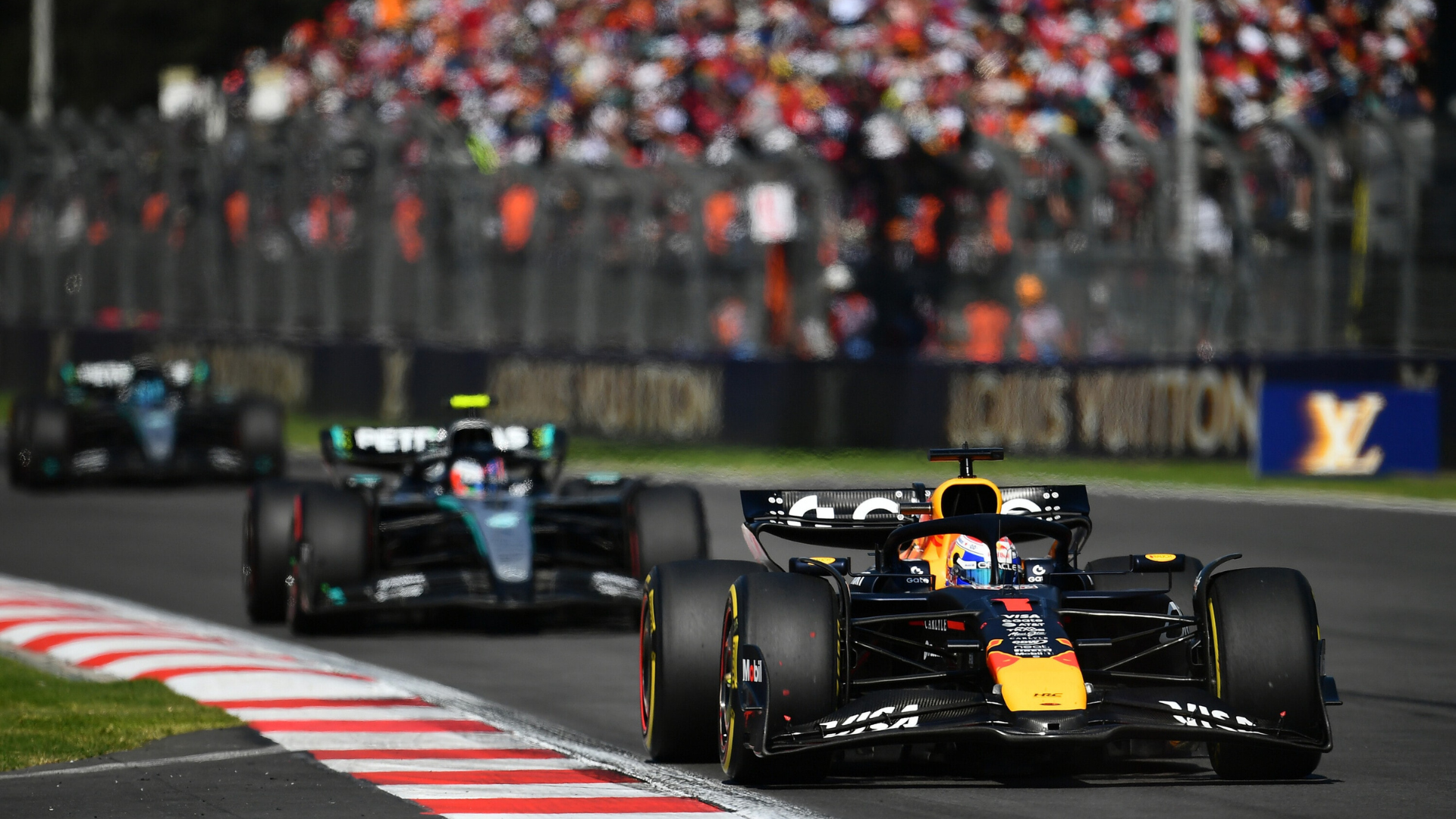
If you’ve ever noticed car liveries covered in logos, that’s because sponsorships are the lifeblood of Formula 1. They’re the biggest part of how Formula 1 teams make money, often accounting for 50–80% of a team’s total revenue.
Sponsors pay teams for global visibility, brand prestige, and association with innovation and performance. The more successful the team, the more valuable its sponsorship deals become.
Types of F1 sponsorships:
- Title Sponsors: Their names appear in the team’s title (e.g., Oracle Red Bull Racing, Aston Martin Aramco).
- Primary Sponsors: Prominent branding on cars, driver suits, and team gear.
- Technical Partners: Companies that supply materials or technology, such as Pirelli or Dell Technologies.
- Associate Sponsors: Smaller contributors that target niche audiences or specific markets.
For top teams like Mercedes, Red Bull, and Ferrari, sponsorship income can exceed $100 million annually.
2. Prize Money: Performance Pays
Another key part of F1 team revenue is prize money, distributed by Formula One Management (FOM) at the end of each season. In 2024, this pool was estimated to exceed $1 billion, divided among the ten teams.
How it works:
- Teams earn money based on their final position in the Constructors’ Championship.
- Higher placement = bigger slice of the pie.
- Additional bonuses reward historical success and long-term participation.
For example, Ferrari receives a special “heritage bonus” for being the only team to compete in every F1 season since 1950.
Prize money may not cover full budgets, but it’s a vital incentive that keeps the midfield teams competitive.
3. FOM Payments and Special Agreements

Beyond the standard prize pool, teams also receive FOM (Formula One Management) payments. These are commercial deals negotiated under the Concorde Agreement, the contract that governs F1’s financial structure.
Some payments are for historical value (like Ferrari’s bonus), others for performance consistency or championship wins. These agreements make sure top teams remain invested in the sport, while smaller teams get enough funding to stay on the grid.
This system ensures that F1 remains both a sport and a sustainable business ecosystem.
4. Merchandise and Licensing
Every cap, hoodie, or miniature car you see at the Grand Prix or online store contributes to how F1 teams are funded. Merchandise sales can generate millions in additional revenue while strengthening fan loyalty.
Teams also license their branding to manufacturers who produce official products. Popular teams like Mercedes and Red Bull have global fanbases that support massive retail operations, both at trackside stores and online.
This fan-driven income is smaller than sponsorship or prize money, but it’s highly profitable and builds lasting engagement.
5. Driver Sponsorships and Partner Funding
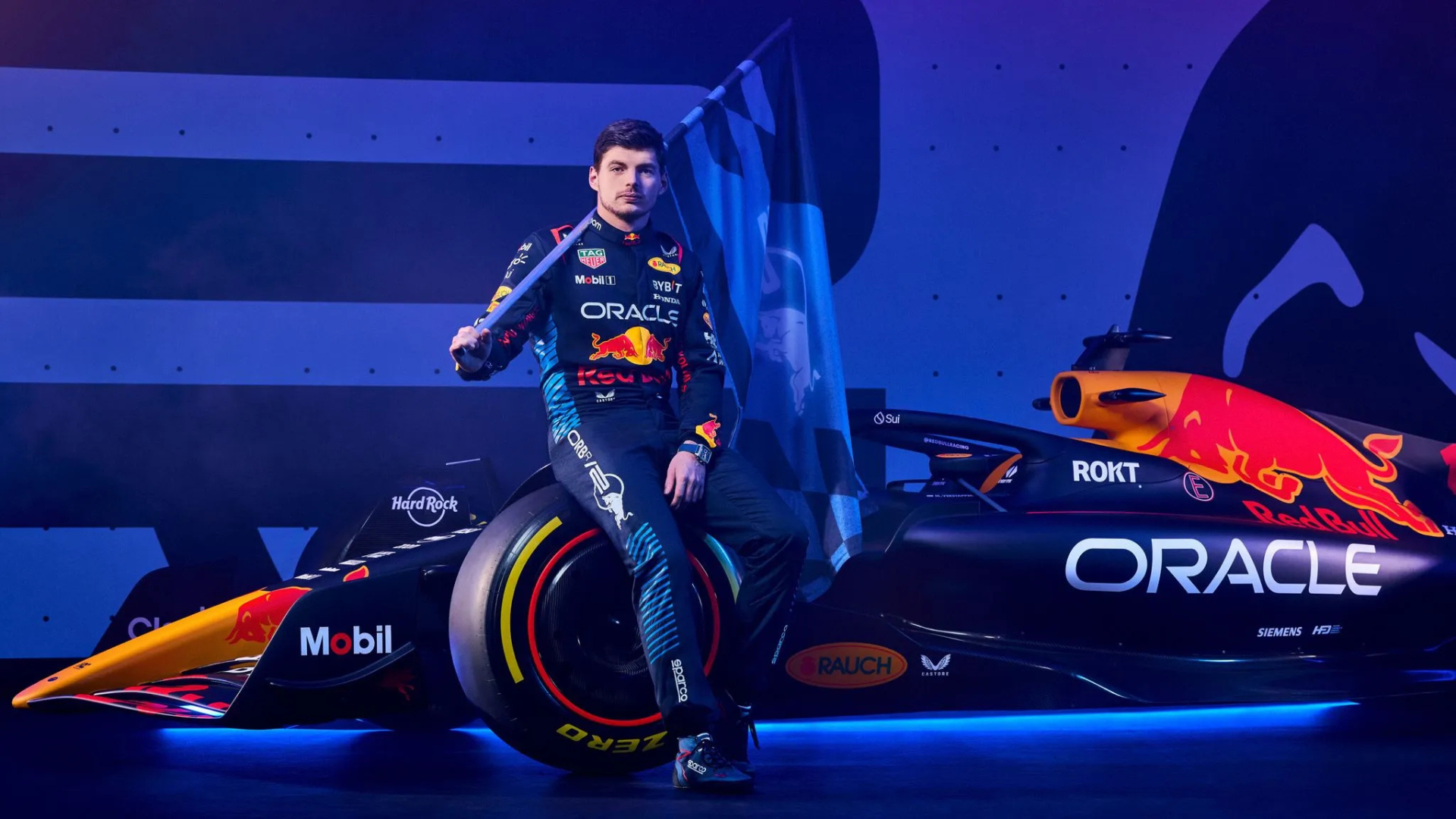
Photo: Red Bull
Sometimes, drivers themselves bring sponsors to the team. These partnerships can make or break smaller outfits. For instance, companies linked to Lance Stroll support Aston Martin, while Zhou Guanyu’s Chinese sponsors strengthen Sauber’s budget.
This model isn’t new – it’s part of how smaller teams stay alive in an expensive sport. In short, having a talented driver is great, but having one with brand backing is even better.
6. Cost Cap and Financial Sustainability
The FIA introduced a cost cap in 2021 to make F1 more competitive and financially sustainable. The cap limits how much teams can spend each season (currently around $135 million, excluding salaries and marketing).
This change means that even smaller teams can aim for profit rather than constant survival mode. For big teams, it encourages smarter spending and long-term financial health.
The cost cap has transformed how F1 teams make money – it’s not just about spending more but earning and managing better.
7. How Smaller Teams Survive in Formula 1
Running an F1 team costs between $120 million and $500 million a year. Smaller teams like Haas or Williams (pre Atlassian era) survive by optimizing every funding source:
- Customer parts from larger teams (e.g., Haas uses Ferrari power units).
- Strategic partnerships with sponsors in emerging markets.
- Smart cost management under the budget cap.
These teams rely heavily on sponsors and FOM payments but can still thrive with strong marketing and consistent points finishes.
Conclusion: The Business Behind the Speed
So, how do F1 teams make money? Through a mix of sponsorships, prize money, FOM payments, merchandise, and smart financial planning. Formula 1 may be a sport of milliseconds, but behind the scenes, it’s powered by billion-dollar business strategies.
Each car on the grid represents a blend of engineering brilliance and financial precision, the perfect balance between speed and sustainability.
FAQ: How Formula 1 Teams Make Money
- How much does it cost to run an F1 team?
Budgets range from around $120 million for small teams to $500 million for top teams like Red Bull or Mercedes. - Do F1 teams actually make a profit?
Some do, especially since the cost cap was introduced. Teams like Red Bull and Mercedes run profitable operations thanks to strong sponsorships and merchandise sales. - What is the biggest source of income for F1 teams?
Sponsorships remain the number one revenue stream, followed by prize money from FOM. - How are Formula 1 teams funded?
Through a combination of sponsorships, FOM prize money, merchandise, and private investment.
5. Which F1 team makes the most money?
Red Bull Racing currently leads in total revenue, driven by Oracle, Bybit, and other major global sponsors.
Recent Posts
-
Preview: The 2026 Chinese Grand Prix
-
2026 Australian Grand Prix Recap: Mercedes is the Benchmark
-
Drivers vs the New F1 Cars: What F1 Stars Really Think
-
2026 Australian Grand Prix Preview: Top Storylines & What to Expect
-
2026 Australian Grand Prix Betting Odds & Predictions
-
Australian Grand Prix Winners List (1985-2026)
-

Jonathan Wheatley Career: From Mechanic to Audi F1 Team Principal
-
Why is Toto Wolff the Richest Team Principal in F1?
-
Who is Winning the 2026 F1 Engine War?
-
Will Christian Horner Return to F1?