
Australian Grand Prix Winners List (1985-2026)
Last updated: 02/03/2026
The Australian Grand Prix is more than just the season opener on the Formula 1 calendar. It is a crucible where history, strategy, weather, and driver narratives collide. In this article you will find a complete list of Australian Grand Prix Winners, an informed perspective on the race’s unique place in Melbourne, and a thoughtful look at the favourites heading into the 2026 race at Albert Park. At its best, this event tells us something about the shape of the world championship that lies ahead.
Short answer up front: The Australian Grand Prix has produced iconic winners on two very different circuits and remains one of the most unpredictable and telling races in Formula 1. Its winners encapsulate eras of the sport, the impact of weather, and the technical evolution of cars and teams.
What Makes the Australian Grand Prix Historically Significant?
To understand the significance of the Australian GP, you must see it as a race that has evolved both geographically and competitively.
The event predates its Formula 1 World Championship status by decades. Motorsport historians trace the Australian Grand Prix back to races at early road circuits like Phillip Island in the 1920s and 1930s.
But its modern identity began when the race entered the F1 calendar in 1985. Initially run on the Adelaide Street Circuit, it served as the season finale, a climactic showdown often decisive for titles.
That changed in 1996 when the race moved to Albert Park in Melbourne. The shift to this semi-permanent parkland circuit repositioned the event as a season opener, with very different implications for teams and drivers.
This dual heritage shapes the race’s story: once the decider, now the first chapter of the championship, the Australian GP demands both historical reverence and fresh interpretation each season.
How Weather and Location Have Shaped the Australian GP
Contrary to the assumption that opening races are predictable, Australia mixes variables that often scramble the early hierarchy.
Albert Park’s layout is public roadways and runoffs reused only one weekend a year. Surface grip evolves dramatically over a race weekend, and temperature shifts from practice through Sunday can influence tyre behaviour.
Rain has repeatedly upended expectations here. The 2025 Australian Grand Prix saw wet conditions contribute to a chaotic race where only 14 cars finished and Lando Norris emerged victorious after intense pressure from Max Verstappen.
This unpredictability means that a strong result in Melbourne is not solely about peak pace. It demands operational excellence under changing grip levels, strategic astuteness when weather is in play, and driver adaptability. That complexity is part of why the race is a favourite analytical touchstone among experienced F1 fans.
Highlights That Defined the Australian GP
The drama down under has not been linear but rich with narrative moments:
- Adelaide’s finale drama in the late 1980s and early 1990s, where world titles were often decided on the streets of South Australia.
- The move to Albert Park in 1996, which represented Formula 1’s global expansion and a new chapter for F1 in Melbourne. Damon Hill won that first race in the parkland layout, setting the tone for a new era.
- Michael Schumacher’s dominance in the early 2000s, which reinforced Ferrari’s technical advantage and Schumacher’s psychological edge.
- Rain and chaos in recent years, such as the 2025 race underscoring how unpredictable the event can be even with the most sophisticated machinery.
Each of these moments reflects broader technical and competitive shifts in Formula 1, from aero regulation changes to tyre strategies and driver championship tactics.
Full List of Australian Grand Prix Winners (1985-2026)
Below is the compiled list of Australian Grand Prix Winners in the Formula 1 World Championship since 1985. This list illustrates how the event has alternated both geography and competitive landscape over four decades.
| Year | Winner | Team | Circuit |
|---|---|---|---|
| 1985 | Keke Rosberg | Williams | Adelaide |
| 1986 | Alain Prost | McLaren | Adelaide |
| 1987 | Gerhard Berger | Ferrari | Adelaide |
| 1988 | Alain Prost | McLaren | Adelaide |
| 1989 | Thierry Boutsen | Williams | Adelaide |
| 1990 | Nelson Piquet | Benetton | Adelaide |
| 1991 | Ayrton Senna | McLaren | Adelaide |
| 1992 | Gerhard Berger | McLaren | Adelaide |
| 1993 | Ayrton Senna | McLaren | Adelaide |
| 1994 | Nigel Mansell | Williams | Adelaide |
| 1995 | Damon Hill | Williams | Adelaide |
| 1996 | Damon Hill | Williams | Albert Park |
| 1997 | David Coulthard | McLaren | Albert Park |
| 1998 | Mika Häkkinen | McLaren | Albert Park |
| 1999 | Eddie Irvine | Ferrari | Albert Park |
| 2000 | Michael Schumacher | Ferrari | Albert Park |
| 2001 | Michael Schumacher | Ferrari | Albert Park |
| 2002 | Michael Schumacher | Ferrari | Albert Park |
| 2003 | David Coulthard | McLaren | Albert Park |
| 2004 | Michael Schumacher | Ferrari | Albert Park |
| 2005 | Giancarlo Fisichella | Renault | Albert Park |
| 2006 | Fernando Alonso | Renault | Albert Park |
| 2007 | Kimi Räikkönen | Ferrari | Albert Park |
| 2008 | Lewis Hamilton | McLaren | Albert Park |
| 2009 | Jenson Button | Brawn GP | Albert Park |
| 2010 | Jenson Button | McLaren | Albert Park |
| 2011 | Sebastian Vettel | Red Bull | Albert Park |
| 2012 | Jenson Button | McLaren | Albert Park |
| 2013 | Kimi Räikkönen | Lotus | Albert Park |
| 2014 | Nico Rosberg | Mercedes | Albert Park |
| 2015 | Lewis Hamilton | Mercedes | Albert Park |
| 2016 | Nico Rosberg | Mercedes | Albert Park |
| 2017 | Sebastian Vettel | Ferrari | Albert Park |
| 2018 | Sebastian Vettel | Ferrari | Albert Park |
| 2019 | Valtteri Bottas | Mercedes | Albert Park |
| 2020 | Cancelled | — | — |
| 2021 | Not Held | — | — |
| 2022 | Charles Leclerc | Ferrari | Albert Park |
| 2023 | Max Verstappen | Red Bull | Albert Park |
| 2024 | Carlos Sainz | Ferrari | Albert Park |
| 2025 | Lando Norris | McLaren | Albert Park |
| 2026 | To Be Decided | — | Albert Park |
| Year | Winner | Team | Circuit |
|---|---|---|---|
| 1985 | Keke Rosberg | Williams | Adelaide |
| 1986 | Alain Prost | McLaren | Adelaide |
| 1987 | Gerhard Berger | Ferrari | Adelaide |
| 1988 | Alain Prost | McLaren | Adelaide |
| 1989 | Thierry Boutsen | Williams | Adelaide |
| 1990 | Nelson Piquet | Benetton | Adelaide |
| 1991 | Ayrton Senna | McLaren | Adelaide |
| 1992 | Gerhard Berger | McLaren | Adelaide |
| 1993 | Ayrton Senna | McLaren | Adelaide |
| 1994 | Nigel Mansell | Williams | Adelaide |
| 1995 | Damon Hill | Williams | Adelaide |
| 1996 | Damon Hill | Williams | Albert Park |
| 1997 | David Coulthard | McLaren | Albert Park |
| 1998 | Mika Häkkinen | McLaren | Albert Park |
| 1999 | Eddie Irvine | Ferrari | Albert Park |
| 2000 | Michael Schumacher | Ferrari | Albert Park |
| 2001 | Michael Schumacher | Ferrari | Albert Park |
| 2002 | Michael Schumacher | Ferrari | Albert Park |
| 2003 | David Coulthard | McLaren | Albert Park |
| 2004 | Michael Schumacher | Ferrari | Albert Park |
| 2005 | Giancarlo Fisichella | Renault | Albert Park |
| 2006 | Fernando Alonso | Renault | Albert Park |
| 2007 | Kimi Räikkönen | Ferrari | Albert Park |
| 2008 | Lewis Hamilton | McLaren | Albert Park |
| 2009 | Jenson Button | Brawn GP | Albert Park |
| 2010 | Jenson Button | McLaren | Albert Park |
| 2011 | Sebastian Vettel | Red Bull | Albert Park |
| 2012 | Jenson Button | McLaren | Albert Park |
| 2013 | Kimi Räikkönen | Lotus | Albert Park |
| 2014 | Nico Rosberg | Mercedes | Albert Park |
| 2015 | Lewis Hamilton | Mercedes | Albert Park |
| 2016 | Nico Rosberg | Mercedes | Albert Park |
| 2017 | Sebastian Vettel | Ferrari | Albert Park |
| 2018 | Sebastian Vettel | Ferrari | Albert Park |
| 2019 | Valtteri Bottas | Mercedes | Albert Park |
| 2020 | Cancelled | — | — |
| 2021 | Not Held | — | — |
| 2022 | Charles Leclerc | Ferrari | Albert Park |
| 2023 | Max Verstappen | Red Bull | Albert Park |
| 2024 | Carlos Sainz | Ferrari | Albert Park |
| 2025 | Lando Norris | McLaren | Albert Park |
| 2026 | To Be Decided | — | Albert Park |
How will the 2026 Regulations affect racing in Albert Park?
If you only glance at the winners, you might think the Australian GP is defined by attrition or tradition. In 2026, however, the far more relevant variable is regulation change. The new technical framework, with lighter cars, revised aerodynamic philosophy and a much heavier reliance on electrical power deployment, has the potential to reshape how racing unfolds at Albert Park.
With a greater percentage of total output coming from hybrid systems and stricter fuel parameters, energy recovery and deployment through Melbourne’s traction-heavy sectors could become decisive. The circuit has always rewarded stability under braking and clean acceleration, but under the 2026 rules that emphasis may intensify, placing a premium on drivability rather than peak aero load. Reduced turbulence may allow cars to follow more closely, yet closer racing introduces new stress on tyre life and battery management, particularly on a surface that evolves as dramatically as Albert Park does across a weekend.
Historically, major regulation resets expose which teams have interpreted the rulebook most effectively, and the Australian Grand Prix has often served as the first genuine competitive reveal. In that context, 2026 is unlikely to be about continuity. It will be about who has understood the new Formula 1 architecture quickest and who can translate that understanding into race-day execution in Melbourne.
Favourites Heading Into the 2026 Australian Grand Prix
Testing and pre-season updates point to a few likely front-runners without committing to a full prediction:
Mercedes
Mercedes appear to have made the clearest structural step over the winter, particularly on the power unit side. Improvements in efficiency and deployment could prove decisive at Albert Park, where traction zones and energy delivery matter more than headline straight-line speed. The added layer is strategic: Mercedes supply McLaren, meaning any engine gains strengthen more than one car at the front. Early signs suggest they arrive at the Australian Grand Prix as the most complete package.
McLaren
McLaren remains extremely well positioned. Their competitive stability over the past 18 months has given them more uninterrupted preparation time than most heading into 2026, especially after operating from a position of strength rather than recovery. That continuity often translates into clean execution in season openers. If their chassis refinement matches Mercedes’ engine gains, they will be very close in Melbourne.
Ferrari or Red Bull
Red Bull can never be discounted when Verstappen is behind the wheel. Even when testing narratives suggest parity or slight deficits, race-day adaptability tends to elevate their ceiling. Ferrari, meanwhile, carry strong baseline pace into Melbourne as they often do, but with equally strong external expectations. Execution under pressure has historically defined their F1 weekends in Australia as much as raw speed.
Why the Australian Grand Prix Still Matters
The Australian Grand Prix is not a ceremonial curtain-raiser. It is a crucible where technical evolution, weather, and strategic foresight come together. Winners here often tell us who has their house in order. But the race also defies simplistic interpretation – Melbourne punishes assumptions and rewards depth of preparation. That is why its winners list is both a historical ledger and a strategic mirror.
In future seasons, as regulations evolve and new circuits come and go, the Australian GP’s narrative richness will remain a vital lens through which the sport’s shifting dynamics can be understood. The race’s capacity to surprise will continue to make it a touchstone for analysts, teams, and fans alike.
Want to read more about the Australian Grand Prix betting odds? Click here.
Recent Posts
-
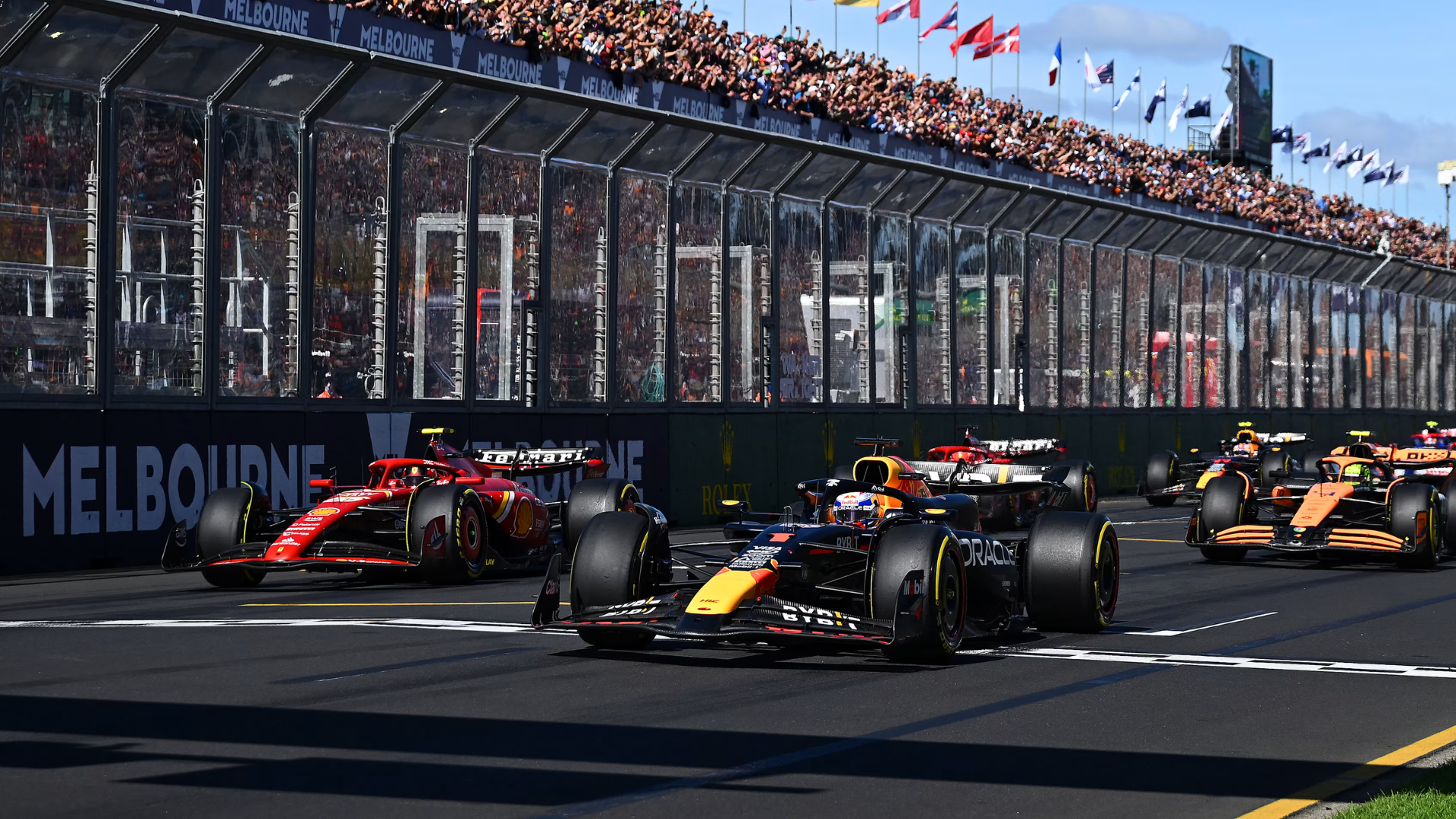
2026 Australian Grand Prix Preview: Top Storylines & What to Expect
-
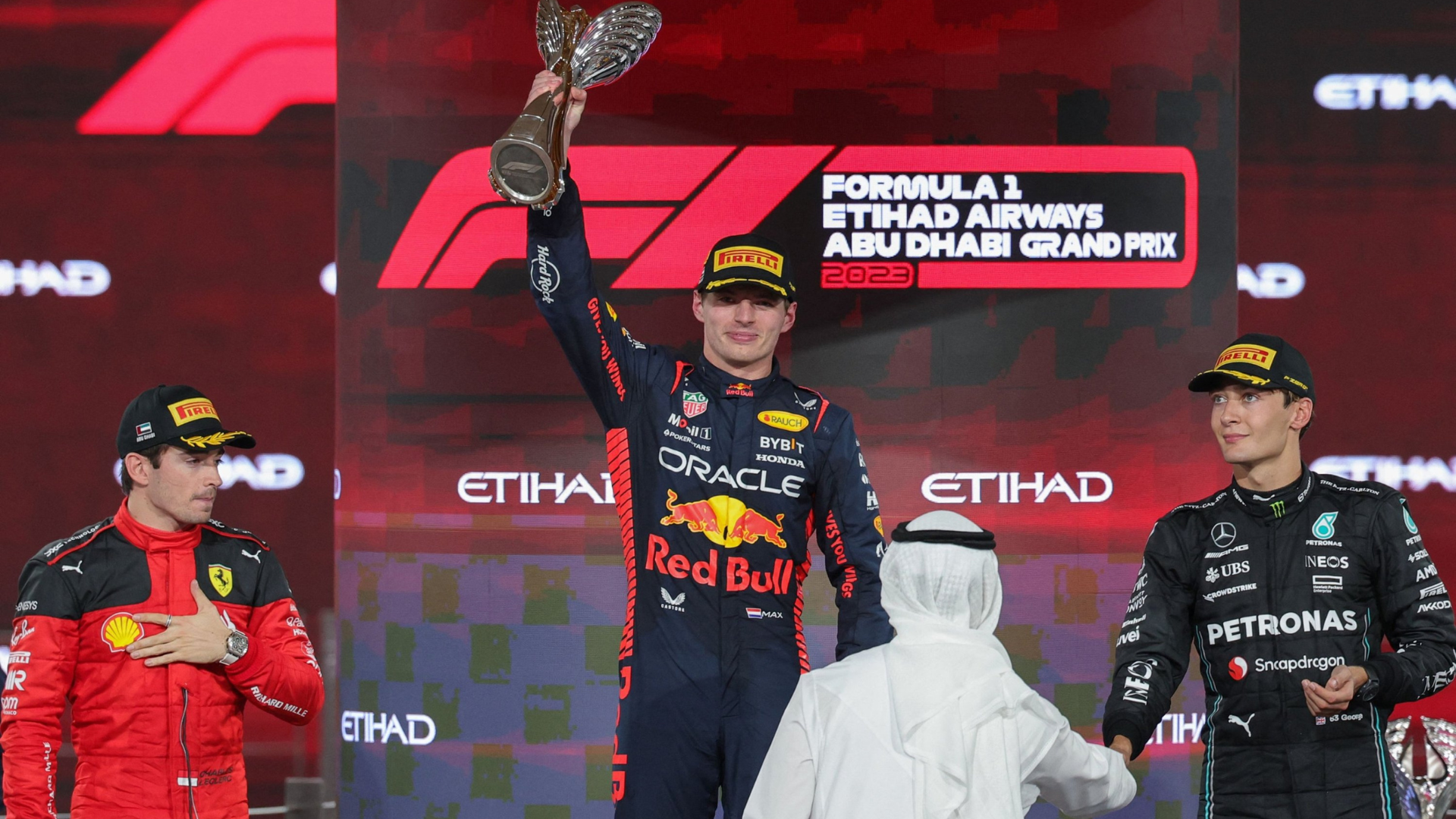
2026 Australian Grand Prix Betting Odds & Predictions
-
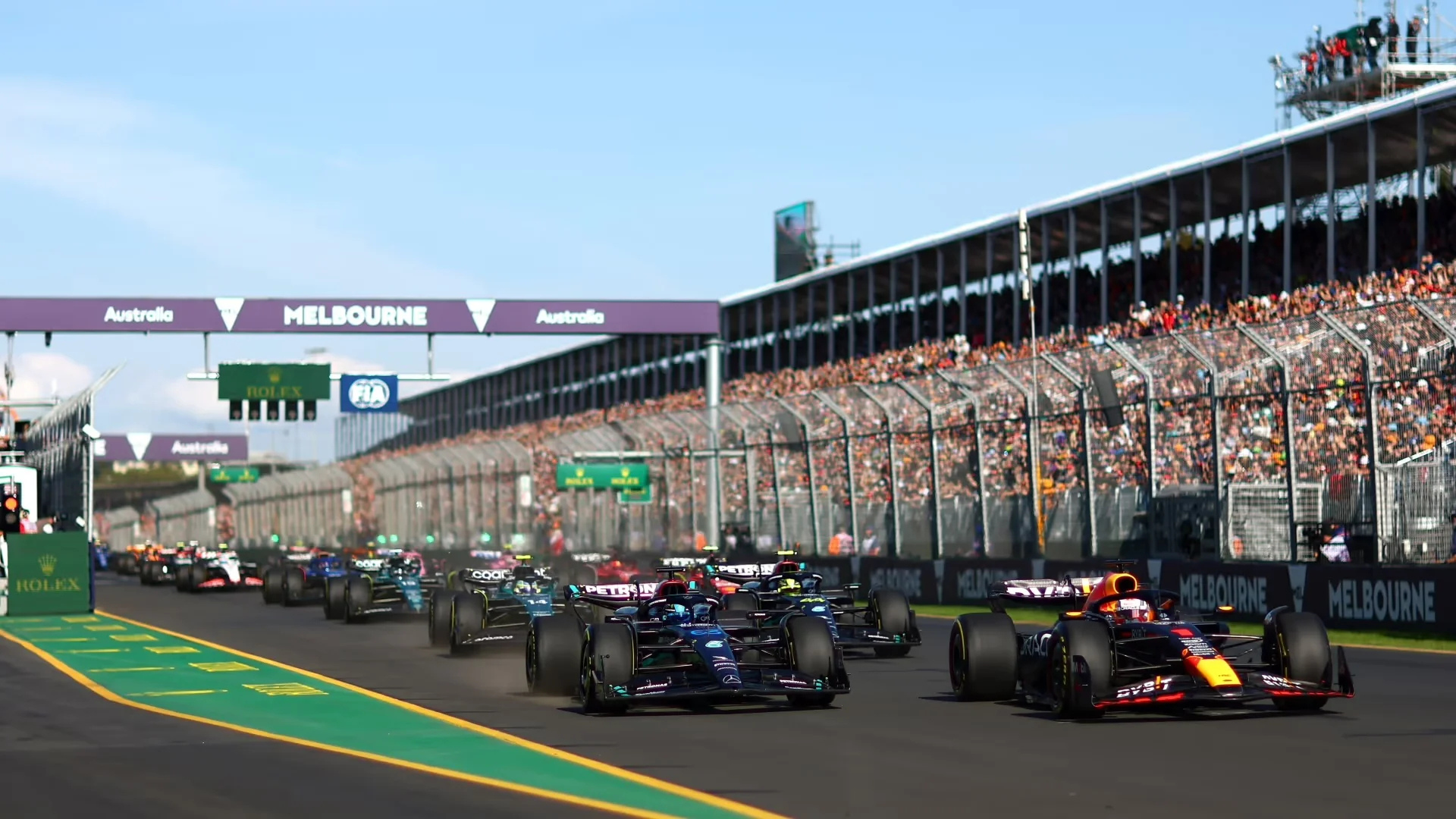
Australian Grand Prix Winners List (1985-2026)
-
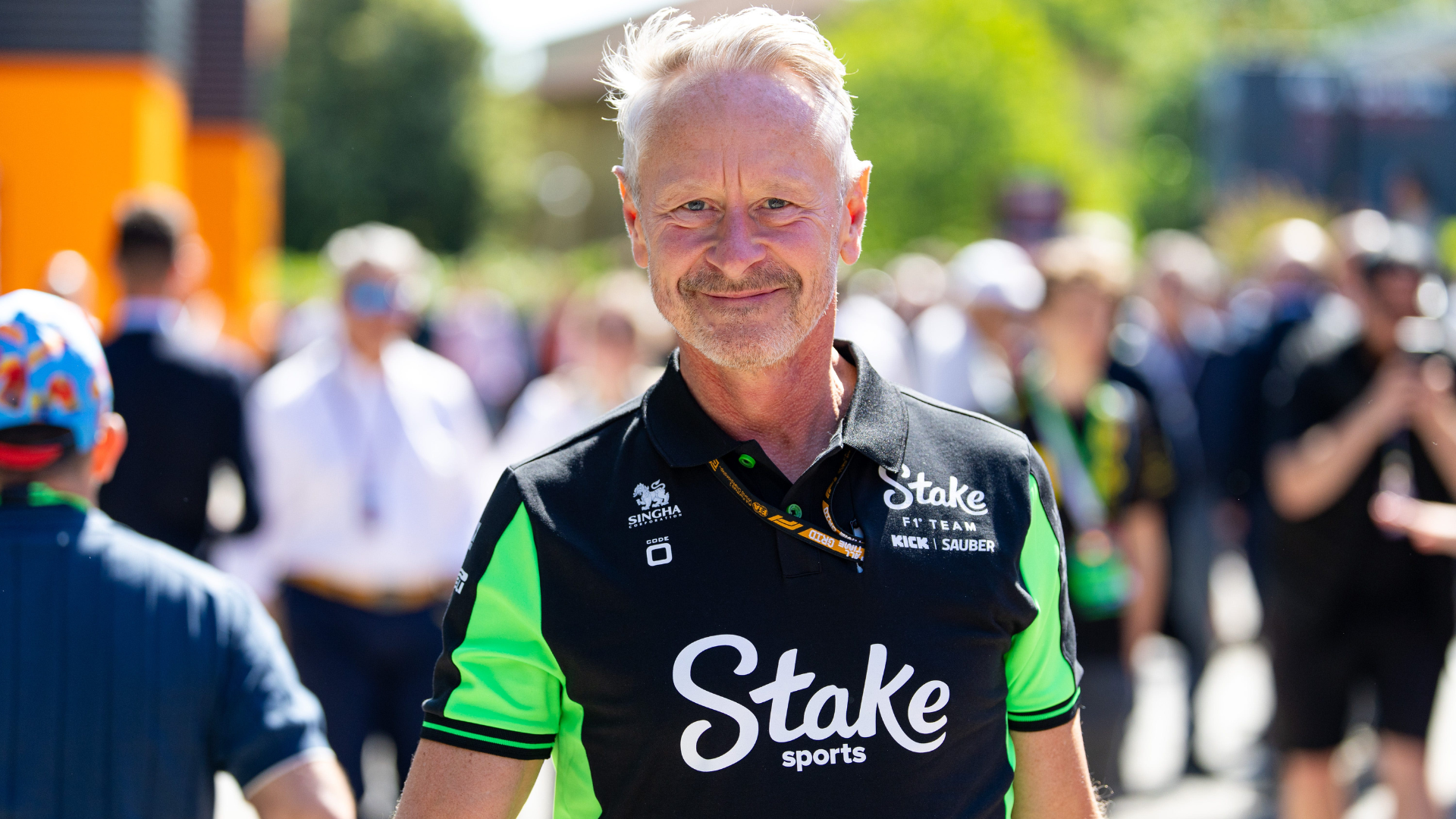
Jonathan Wheatley Career: From Mechanic to Audi F1 Team Principal
-
Why is Toto Wolff the Richest Team Principal in F1?
-
Who is Winning the 2026 F1 Engine War?
-
Will Christian Horner Return to F1?
-
The Netflix Effect on F1: A Data Analysis of America’s Boom and Its Ceiling
-
How to Become an F1 Driver?
-
Will Kalle Rovanperä Drive in Formula 1?