All F1 Title Sponsors in 2026
Last updated: 11/05/2026
Key Takeaways
- Strategic Integration: Title sponsorships have shifted from simple marketing to deep B2B technical collaborations.
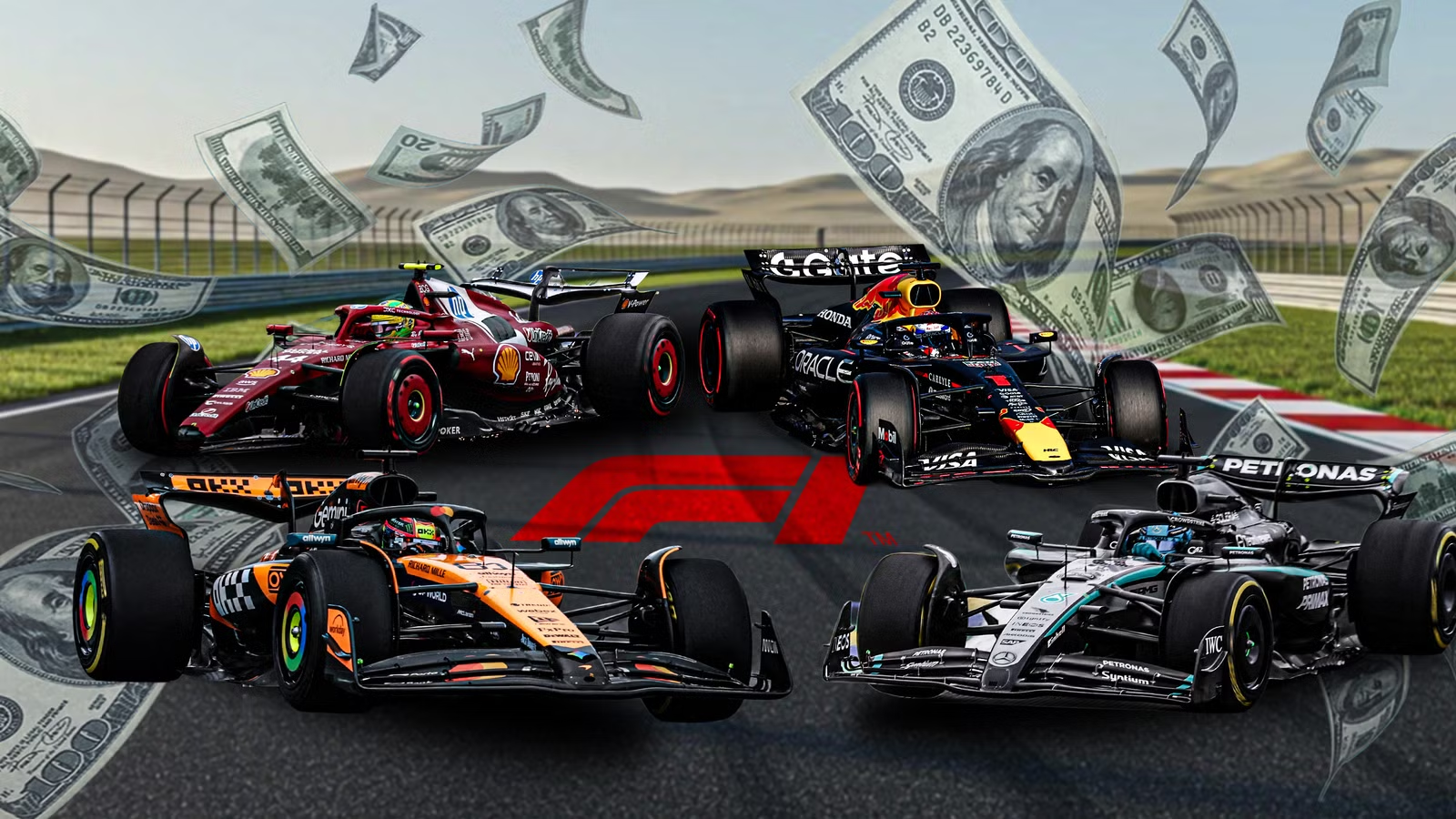
- The $100M Standard: Top-tier teams like Red Bull, Ferrari, and McLaren now command ~$100 million annually for naming rights.
- Industry Dominance: Fintech and Big Tech have replaced traditional telecommunications as the primary drivers of F1 capital.
- The Cadillac Anomaly: The newest grid entry is intentionally bypassing a title sponsor to establish its “Hero Brand” identity.
The commercial landscape of Formula 1 has undergone a seismic shift, moving far beyond the days when a logo on a sidepod was simply a bill of sale for exposure. As we navigate the 2026 season, a year defined by revolutionary technical regulations and the arrival of new power unit manufacturers, the role of F1 title sponsors has transformed into a high-stakes ecosystem of technical collaboration, operational optimization, and multibillion-dollar brand integration.
In the modern era, driven by the commercial expansion spearheaded by Liberty Media, a title partnership is no longer just a marketing exercise. It is a strategic alliance where the world’s most powerful tech and financial institutions embed themselves into the very fabric of the teams they support. From AI-driven race strategies to sustainable fuel development and fintech-powered logistics, these partners provide the “brainpower” and infrastructure required to win in a sport where milliseconds are bought with millions.
Below, we break down the current 2026 grid to see how each team has aligned itself with global giants to stay competitive in the most expensive and technologically advanced sport on the planet.
The 2026 F1 Title Sponsors: Team-by-Team Breakdown
Mercedes-AMG Petronas
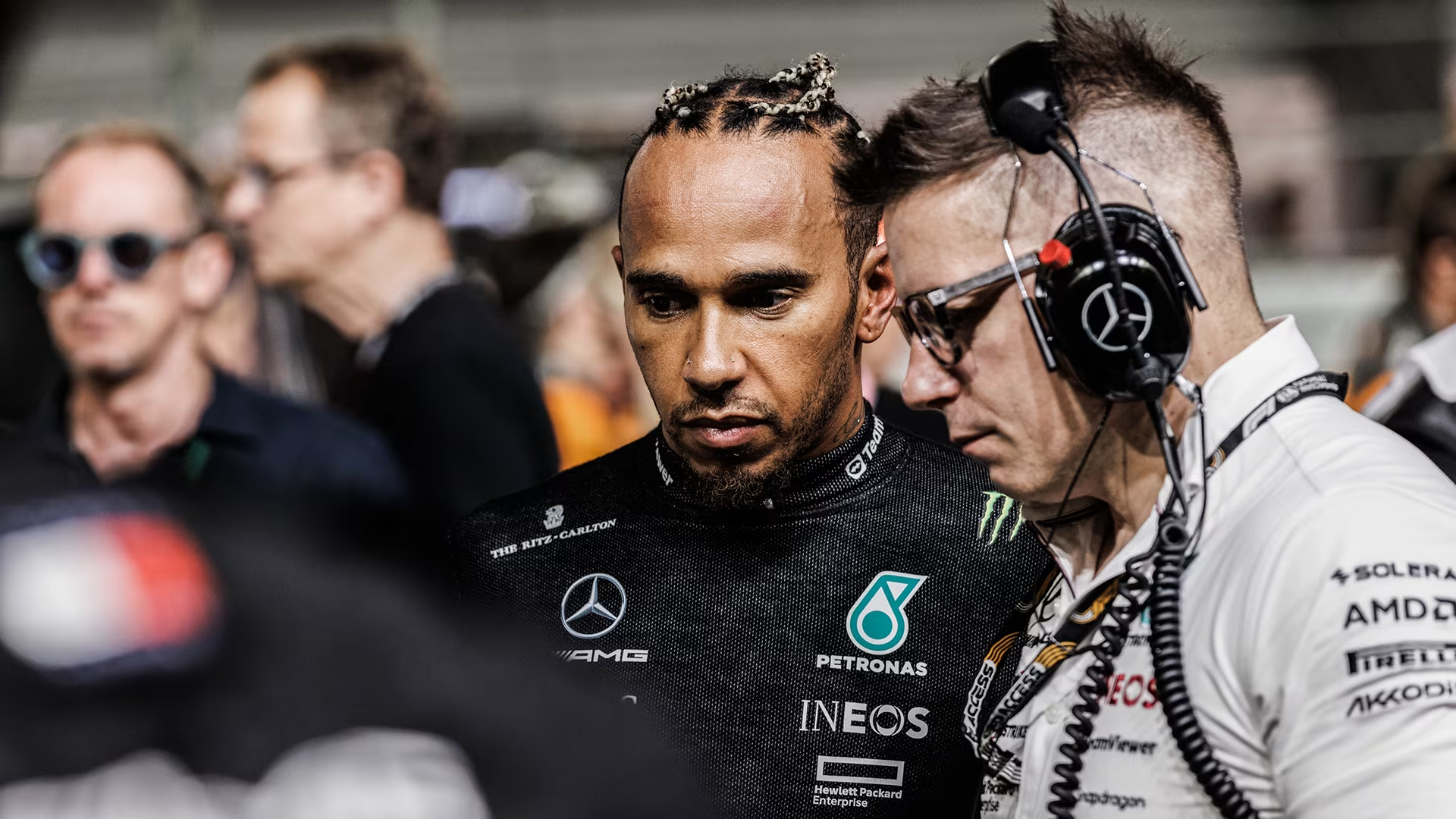
A long-standing partnership active since 2010. Petronas, valued at over $164 billion, works directly with Mercedes-AMG High Performance Powertrains to develop fuel and lubricants for maximum performance. Outside of racing, they support Mercedes with team logistics. Valued at roughly €75 million per season, this deal is one of the reasons Mercedes became such a dominant powerhouse in modern F1.
HP Scuderia Ferrari
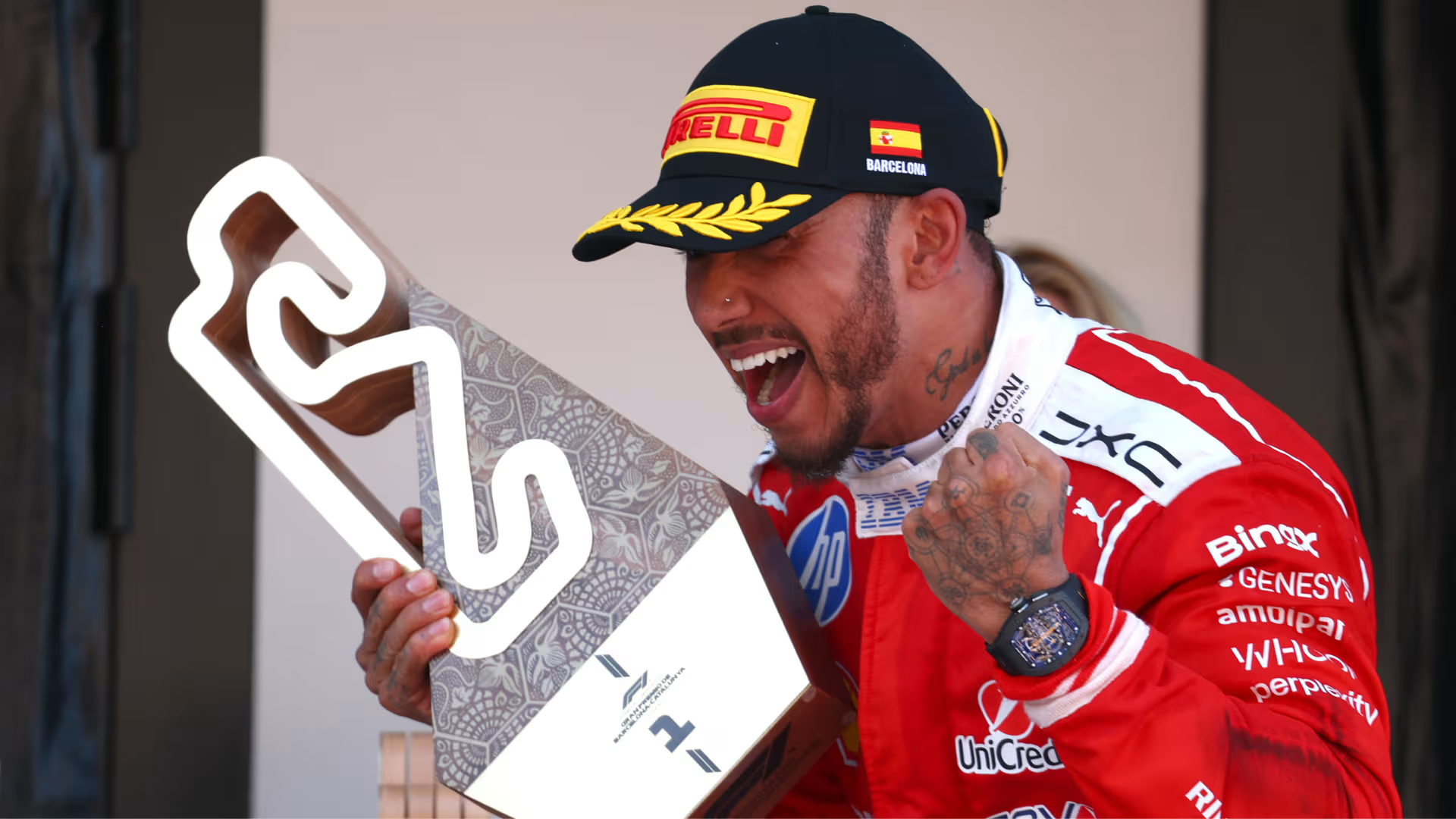
HP joined Ferrari as title sponsor in 2024. Integrating high-performance products, conferencing tech, and printing capabilities, HP allows Ferrari to streamline processes on and off the track. Valued at roughly ~$100 million annually, it’s considered one of F1’s most lucrative deals, backed by an American tech giant worth ~$19.58 billion.
Oracle Red Bull Racing
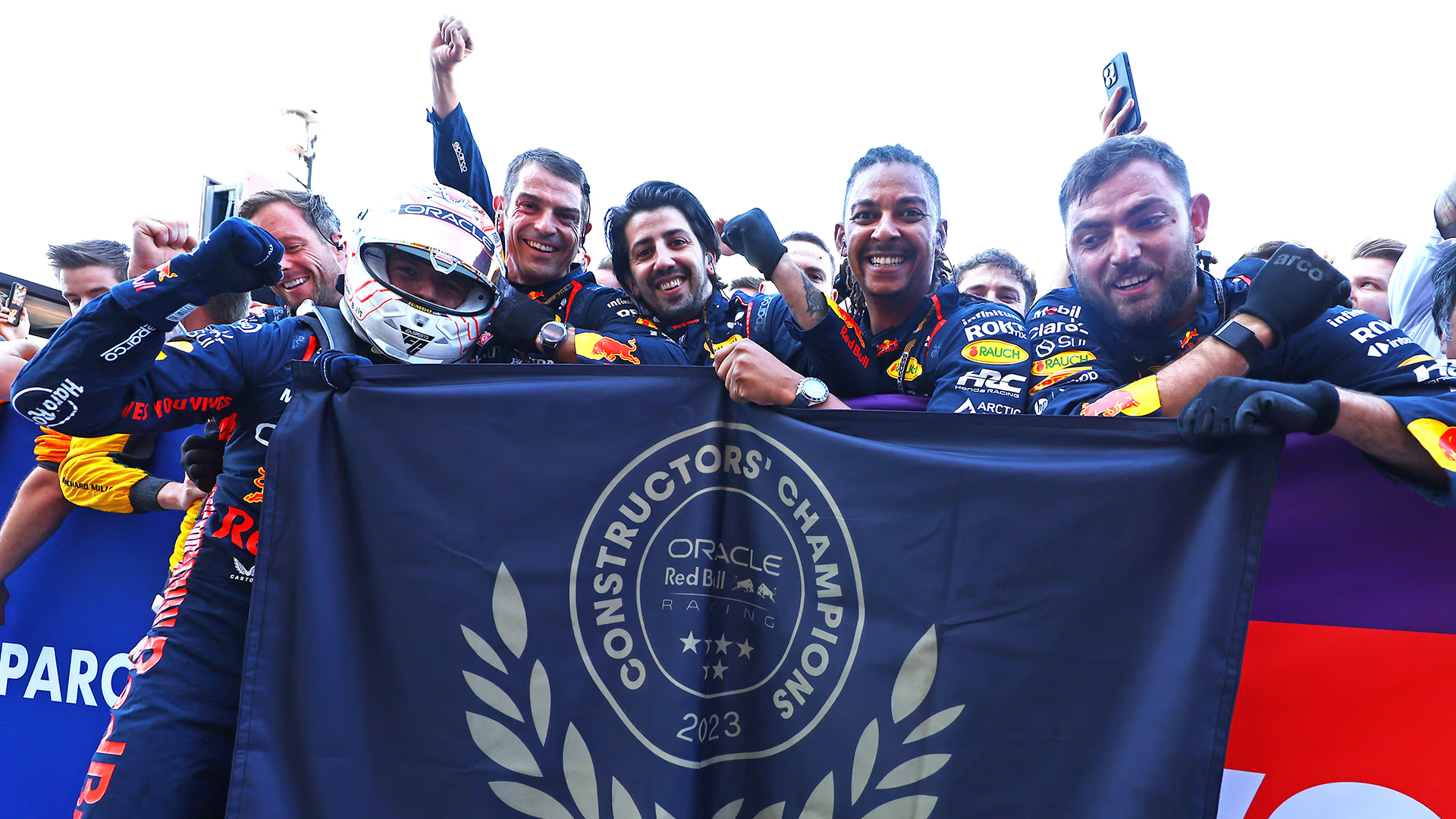
Oracle, valued at $557 billion, it’s partnership is one of the most exciting deals on the grid. It heavily leverages Oracle Cloud Infrastructure (OCI) for AI-powered race strategy, engine development, and simulations. The team uses OCI to run billions of simulations for better decision-making. Worth ~$100 million annually, the deal began in 2022 and runs through 2030 and beyond.
Aston Martin Aramco
Aramco, a majority state-owned company valued at $1.75 trillion USD, expanded to full title partnership in 2024. Valued at ~$75 million to ~$95 million annually, the deal is expected to run through 2028. Aramco is the exclusive supplier of advanced sustainable fuels and materials science for the team.
McLaren Mastercard
Starting in 2026, Mastercard became McLaren’s first title sponsor since Vodafone’s departure after 2013. The long-term deal runs through the mid-2030s and is valued at $100 million per year. While the payment giant ($440B valuation) doesn’t directly improve racing tech, they are a phenomenal partner for an organization like McLaren with over 900 employees.
BWT Alpine
Most well known for bringing their signature pink color to the Alpine livery, BWT (Best Water Technology) focuses on off-track operations by providing water management systems for the team’s facilities. Valued at roughly $18-$25 million per year, the title partnership has been active since 2022.
TGR Haas F1 Team
Toyota Gazoo Racing (TGR), valued around $120 million, stepped up to become the title partner in 2026. This is a very race-performance-driven collaboration. TGR provides design, manufacturing, and technical services, including a state-of-the-art simulator at Haas’ UK base, aiming to engineer new talent for Formula 1. The deal is worth $20 to $30 million annually.
Visa Cash App RB
Racing Bulls is an interesting case, serving as the sister team to Red Bull while maintaining two title sponsors. Visa ($607B) and Cash App ($16B) share naming rights in a setup recently renewed through 2030. While publicly undisclosed, industry sources estimate the Cash App deal at ~$20 million annually, with Visa’s deal likely being of a similar value.
Atlassian Williams F1 Team
Announced ahead of the 2025 season, Atlassian ($15B-$23B valuation) brings $30 million to $50 million per season to Williams. This is by far the biggest partnership in their modern history. It allows Williams to stop relying on “pay-drivers” and focus purely on performance, utilizing improved workflow technology from the software firm.
Audi Revolut F1 Team
A fitting multi-year deal for both parties as Audi debuts in F1 and Revolut ($75B valuation) competes with legacy banks. Outside of marketing, Audi implemented Revolut Business into their team’s financial operations. The agreement is valued between $40 million and $55 million annually by insiders.
The only team without a Title Sponsor
The freshest addition to the grid is the only team without a title sponsor. This is intentional; Cadillac wants their “hero brand” to be good enough to start them off. While it isn’t guaranteed they will stay without one, rumors from 2025 suggested they were asking for $55 to $70 million annually for naming rights, which makes it relatively risky for sponsors to jump in and tie their brand with Cadillac.
Conclusion
The data clearly shows that Formula 1 teams are no longer just racing outfits; rather, they are highly complex tech and engineering firms. Title sponsorships have evolved from pure financial transactions into deep B2B partnerships. Whether it’s optimizing internal team workflows (Revolut & Audi, Atlassian & Williams) or running billions of race simulations (Oracle & Red Bull), sponsors are now offering everything F1 teams need to compete in this hyper-competitive industry, and they must bring operational expertise to the table to even be considered.
This evolution is reflected in a massive sector shift across the grid. Today, title sponsors are primarily Finance or Technology companies. The transition away from traditional, old-school tobacco or telecommunications brands perfectly illustrates how F1 has successfully positioned itself as the premier global platform for cutting-edge technology.
Furthermore, Formula 1 has experienced incredible commercial growth under the management of Liberty Media over the last five years. This boom explains why top-tier teams are currently commanding ~$100 million for naming rights. It also highlights why the “middle class” of F1 is financially healthier than ever, with midfield title sponsor deals comfortably reaching ~$20 to $40 million annually.
People Also Ask (FAQ)
Which F1 team has the most expensive title sponsor?
As of 2026, Oracle Red Bull Racing, HP Scuderia Ferrari, and McLaren Mastercard share the top spot, with each deal valued at approximately $100 million annually.
Why doesn’t Cadillac F1 Team have a title sponsor?
Cadillac chose to enter the sport without a title sponsor to ensure their own brand remains the primary focus. They are establishing their “hero brand” status before potentially seeking a partner in the $55M+ range.
What do title sponsors provide besides money?
Modern title sponsors provide technical services like cloud computing (Oracle), fuel development (Petronas/Aramco), operational software (Atlassian), and financial infrastructure (Revolut, Visa, MasterCard).