Why Did F1 Change 2026 Rules So Soon?
Last updated: 25/04/2026
Key Takeaways
- Safety First: F1 implemented emergency tweaks ahead of the Miami Grand Prix to address dangerous closing speeds and start-line stalling risks.
- Less Battery Management: Drivers will spend less time awkwardly “harvesting” energy, allowing for more authentic, flat-out racing.
- Wet Weather Fixes: Hotter intermediate tire blankets and restricted electrical torque will make the 2026 cars drastically more drivable in the rain.
- Championship Implications: With Mercedes dominating and it being the very first few months of the new 2026 regulations, these drivability tweaks could slightly alter the competitive order.
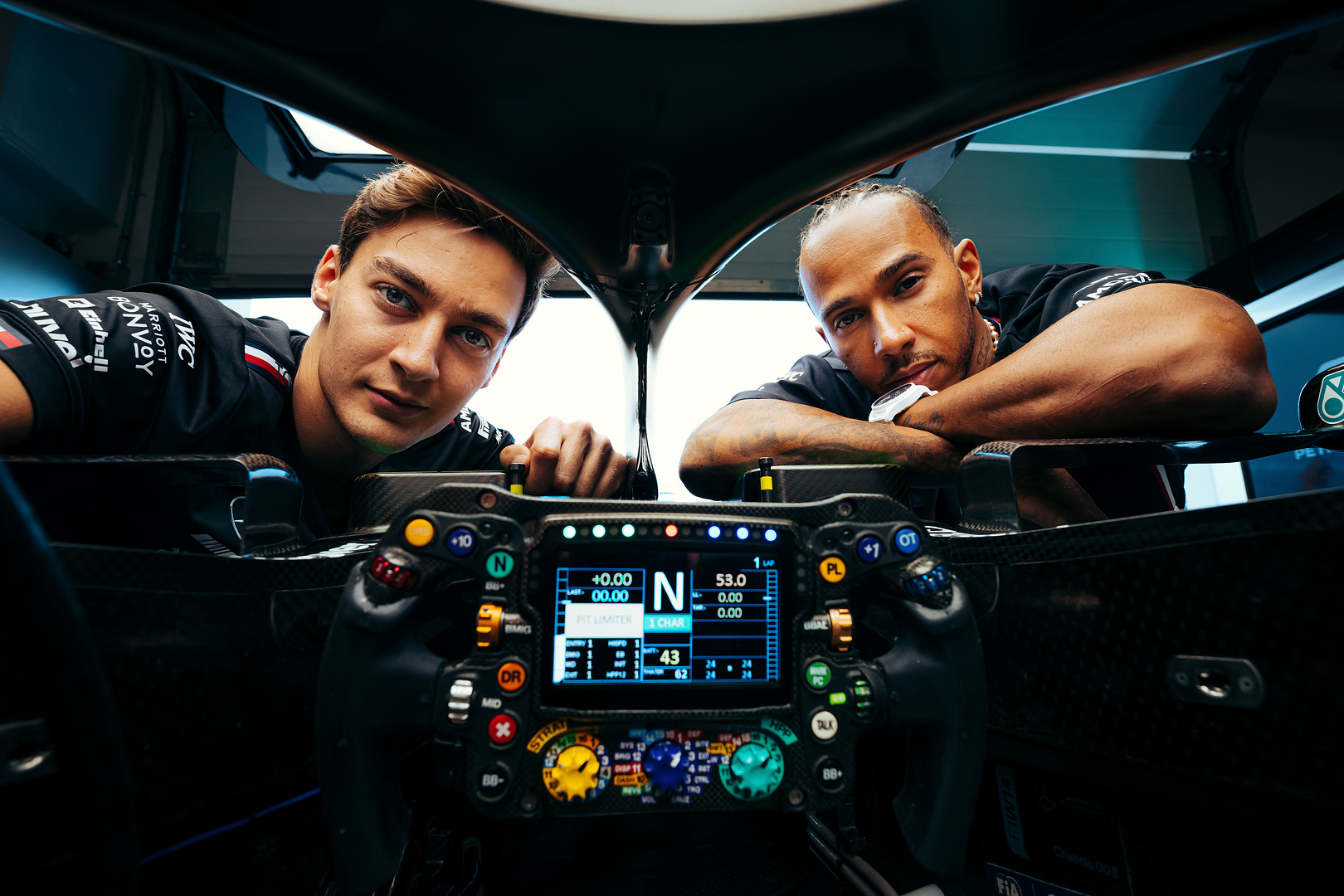
The 2026 Formula 1 season kicked off with an undeniable sense of history in the making. We witnessed George Russell convert pole position into a brilliant victory in Australia, followed immediately by 19-year-old phenom Kimi Antonelli shattering Lewis Hamilton’s record to become the youngest championship leader in F1 history with back-to-back wins in China and Japan. But while the Mercedes garage has been popping champagne, an undercurrent of deep concern was brewing in the paddock.
Behind closed doors, drivers, engineers, and the Grand Prix Drivers’ Association (GPDA) were sounding the alarm. The brand-new 2026 power unit regulations, designed to mandate a 50/50 power split between the internal combustion engine and the electrical battery, were causing massive, unforeseen drivability issues on the track.
The Breaking Point: What Data from Australia, China, and Japan Revealed
Formula 1 simulators are incredibly advanced (almost every team runs millions of different variables), but they cannot perfectly replicate the chaotic reality of 22 cars battling for the same piece of tarmac. The data gathered from the high-speed sweepers of Suzuka, the long back straight in Shanghai, and the heavy braking zones of Albert Park revealed glaring flaws in how the 2026 hybrid engines were deploying their power.
The cars were behaving unpredictably. The extreme reliance on electrical power meant that when the battery drained, the cars effectively hit a metaphorical brick wall, leaving drivers helpless and exposing them to massive speed differentials from the cars behind them. F1 had to act quickly to course-correct.
Solving the “Superclip” and Battery Harvesting Problem
One of the loudest complaints from the grid during the first three rounds was the immense mental workload required to manage the battery. Drivers were spending an agonizing amount of lap time “harvesting” (recharging the battery via braking and lift-and-coast driving). It made the cars incredibly awkward to pilot and ruined the spectacle of flat-out qualifying laps. Instead of the fastest driver being the one who is more bold in the corners, it was the one who had a better battery.
To fix F1’s 2026 battery harvesting problems, the FIA made two crucial tweaks. First, they reduced the maximum permitted energy recharge per lap from 8MJ to 7MJ. Second, the FIA increased the peak “superclip” power from 250 kW to a massive 350 kW, targeting a much shorter superclip duration of just two to four seconds per lap. By allowing the cars to dump their electrical energy faster and more violently in key zones, drivers spend significantly less time worrying about their state of charge and more time focusing on hitting their apexes.
The Closing Speed Danger: Capping the F1 Boost
Perhaps the most terrifying realization of the early 2026 season was the immense danger posed by straight-line closing speeds. Because the electrical deployment is so powerful, a scenario frequently unfolded where one driver activated their override “Boost” while the car ahead was out of energy. The trailing car would approach the leading car at a speed differential that made it look like the leading car was parked on the highway. This is a massive rear-end collision risk.
To eliminate this closing speed danger, the FIA capped the maximum power available through the Boost feature to +150 kW during race conditions. Furthermore, they established strict MGU-K deployment zones. The full 350 kW of electrical power can now only be deployed in critical acceleration and overtaking zones. On other parts of the lap, it is strictly limited to 250 kW, smoothing out the performance deltas.
Enhancing Race Starts and Taming Wet Weather
While energy management dictates race pace, the FIA also had to address two highly specific scenarios where the 2026 cars proved overly dangerous: standing starts and wet weather conditions.
What is F1’s New Low Power Start Detection?
If you’ve watched Formula 1 long enough, you know that a car stalling on the starting grid is one of the most perilous situations in motorsport. With the complex clutches and mapping of the 2026 engines, the risk of a car bogging down off the line was higher than ever.
In a groundbreaking move, F1 has introduced a Low Power Start Detection system. If the telemetry senses that a car has abnormally low acceleration right after the clutch is released, the car’s computer will automatically trigger an MGU-K deployment to propel the car forward. Simultaneously, the rear and lateral lights will violently flash to warn the drivers behind. This is a safety-driven anti-stall net designed to prevent a multi-car pileup before Turn 1. In practicality, it benefits the most Ford powered cars and it’s a direct hit to Ferrari who designed their turbo to avoid issues with race starts.
Fixing the Un-Drivable Wet Weather Cars
With an unprecedented amount of instant electrical torque snapping to the rear wheels, the 2026 cars were bordering on un-drivable in slippery conditions. Drivers were fighting snap oversteer even in gentle acceleration zones.
Following direct input from the drivers, the FIA is implementing an immediate wet weather fix. Maximum Energy Recovery System (ERS) deployment will now be actively reduced in the rain to limit sudden torque spikes. Even more importantly for the teams, F1 is bringing back hotter tire blanket temperatures for intermediate tires. By allowing the inters to be properly heated before they leave the garage, drivers will actually have a baseline level of grip to rely on when they exit the pitlane.
Historical Context: Will These Rule Changes Hurt the 2026 Regulation Kings, Mercedes?
Formula 1 is a sport where a single technical directive can completely upend the competitive order. We saw it with the floor changes in 2021, and the porpoising TD39 directive in 2022. So, how will these 2026 refinements impact the current grid?
Looking at the standings after the Japanese Grand Prix, Mercedes is enjoying a dominant resurgence. Sitting pretty with 135 points in the Constructors’ Championship, Antonelli (72 points) and Russell (63 points) have mastered the complex lift-and-coast driving style previously required by the new engines. Ferrari has established themselves as a clear second force with 90 points.
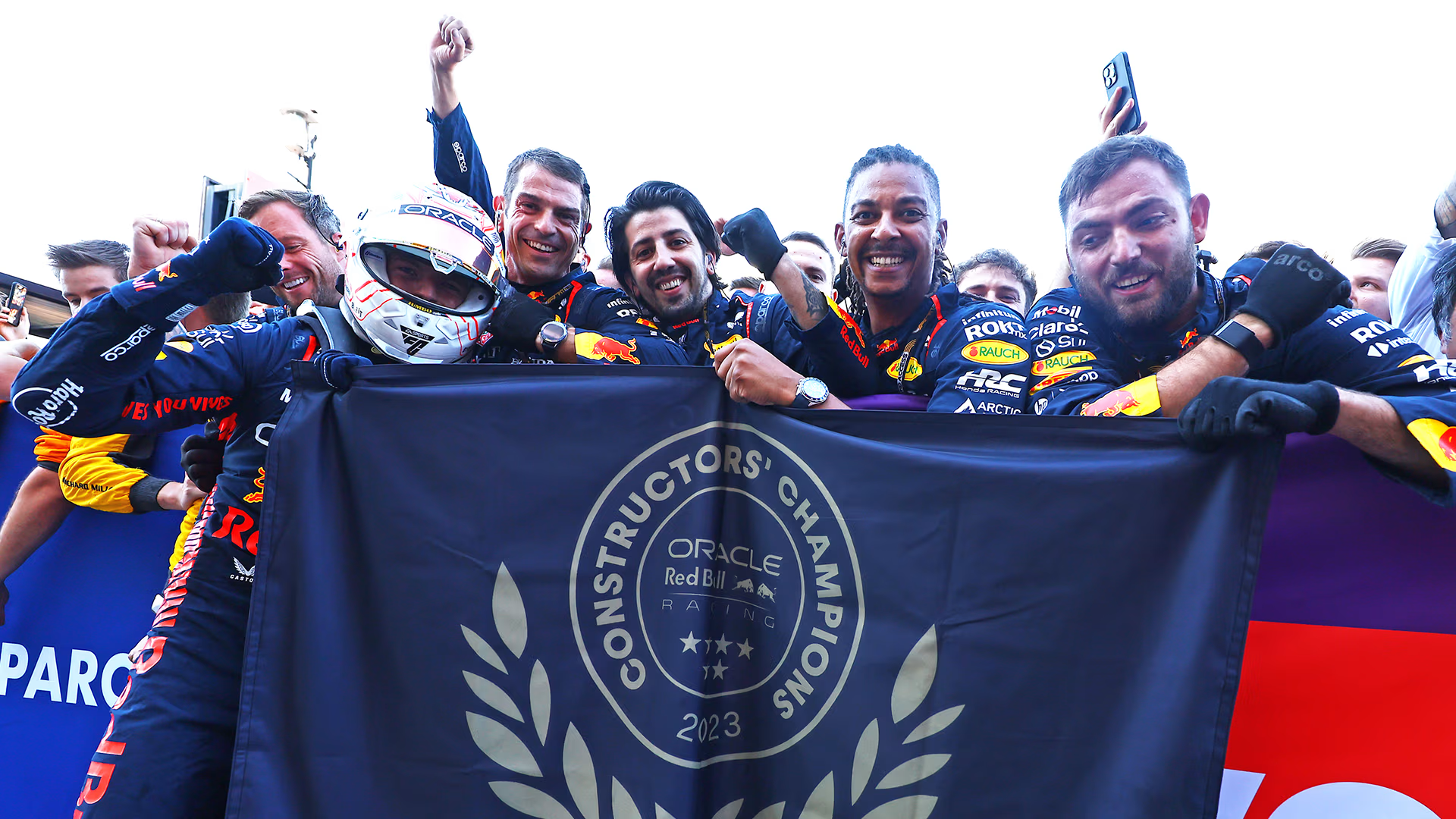
The shocking narrative of 2026, however, is the utter collapse of Red Bull Racing’s early-season form. Red Bull currently sits down in 6th place in the Constructors’ with a meager 16 points. Max Verstappen, usually an unstoppable force, is languishing in 9th place in the Drivers’ Championship with just 12 points, repeatedly expressing frustration over the radio regarding the car’s drivability and power delivery.
By shifting the regulations away from extreme battery management and returning to a style that rewards pure, consistent, flat-out driving, these new rules could very well throw a lifeline to teams like Red Bull and McLaren. We believe it’s a step in the right direction.
People Also Ask
Why did F1 change 2026 rules so soon?
F1 rushed to change the 2026 regulations after just three races because real-world track data highlighted too much dependance on battery and safety issues. The massive electrical power outputs created dangerous speed differentials on straights and required drivers to awkwardly harvest battery energy throughout the lap instead of racing flat-out. The tweaks are a mid-season course correction to improve safety and the racing spectacle.
What is the new superclip rule in F1?
The “superclip” refers to the massive deployment of electrical energy from the hybrid battery. To fix early-season issues, the FIA increased the peak superclip power to 350 kW but restricted its deployment to a shorter burst of 2 to 4 seconds per lap. This limits the amount of time drivers have to spend aggressively recharging the car on track.
When do the new 2026 F1 rules take effect?
The mid-season refinements to the 2026 regulations will officially go into effect starting at the Miami Grand Prix in early May. This includes the new energy management parameters, wet-weather tire blanket adjustments, and the new low-power start detection safety systems.