Last updated: 26/03/2026
2026 Japanese Grand Prix Favourites
Formula One has entered a radically different technical era, arriving at round three of the championship with everything to play for. The 2026 Japanese Grand Prix takes place this weekend, and fans are desperate to know who holds the genuine upper hand.
Answering the main question directly: George Russell and Mercedes are the clear favourites to win at Suzuka, possessing the most stable car under the new regulations. In fact, Mercedes is the best team by far right now, operating on a completely different level compared to the rest of the F1 field.
2026 Japanese Grand Prix Betting Odds (Race Winner)
The betting markets clearly reflect the current pecking order, with bookmakers overwhelmingly backing the Silver Arrows to dominate at the Suzuka GP after their blistering start to the year.
| Driver | Team | Current Odds |
|---|---|---|
| George Russell | Mercedes | 4/7 (-175) |
| Kimi Antonelli | Mercedes | 3/1 (+300) |
| Lewis Hamilton | Ferrari | 10/1 (+1000) |
| Charles Leclerc | Ferrari | 10/1 (+1000) |
| Max Verstappen | Red Bull | 25/1 (+2500) |
| Lando Norris | McLaren | 33/1 (+3300) |
| Oscar Piastri | McLaren | 33/1 (+3300) |
The Front Runners Analysed
Mercedes: Dominance Continued?
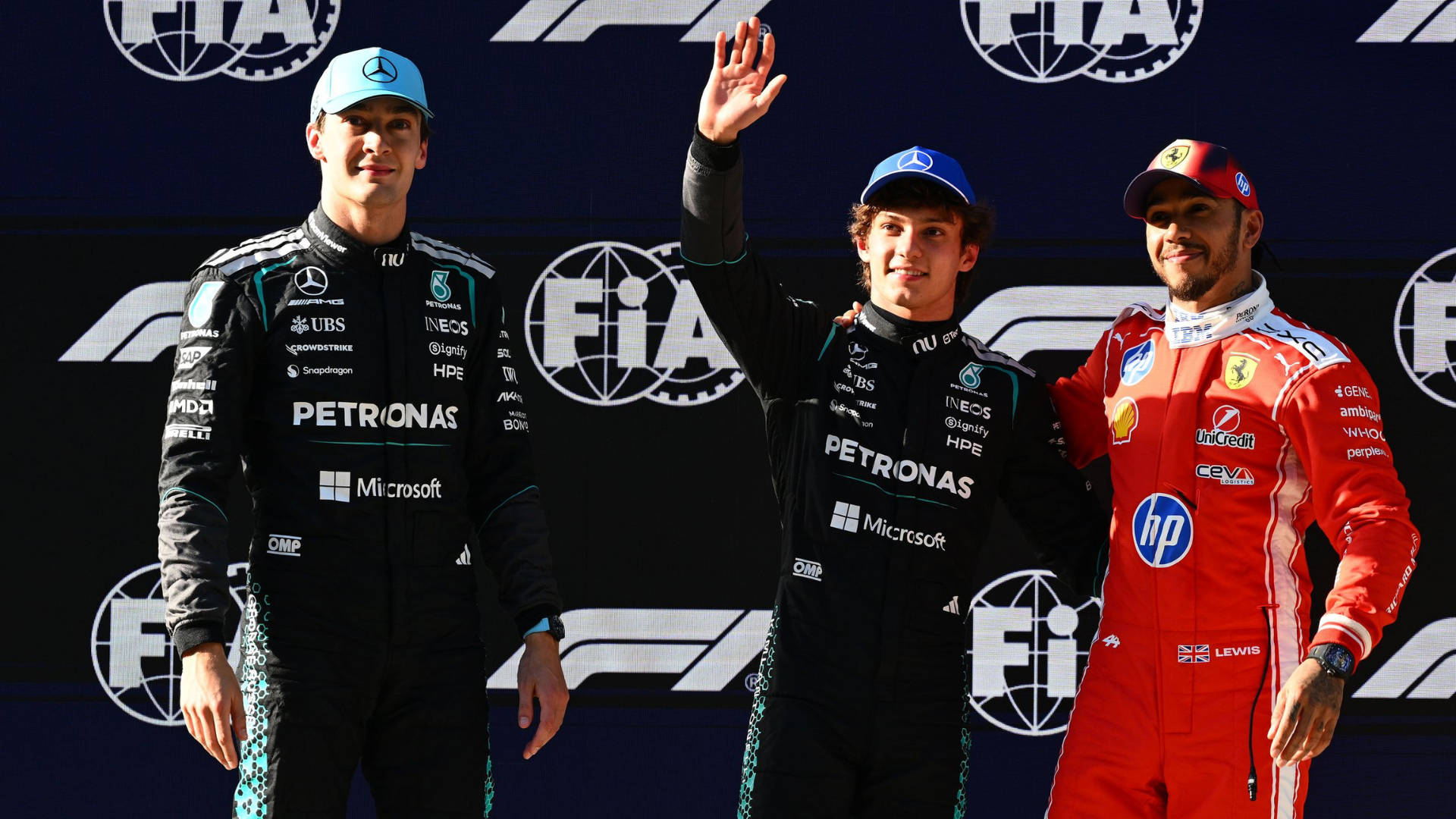
George Russell arrives in Japan carrying immense momentum after a stellar start to the current campaign. Mercedes managed to interpret the 2026 Formula One regulations vastly better than their immediate rivals. Their sophisticated chassis provides incredible front-end bite, and the compression loophole allows them to extract performance more than anyone else on the grid.
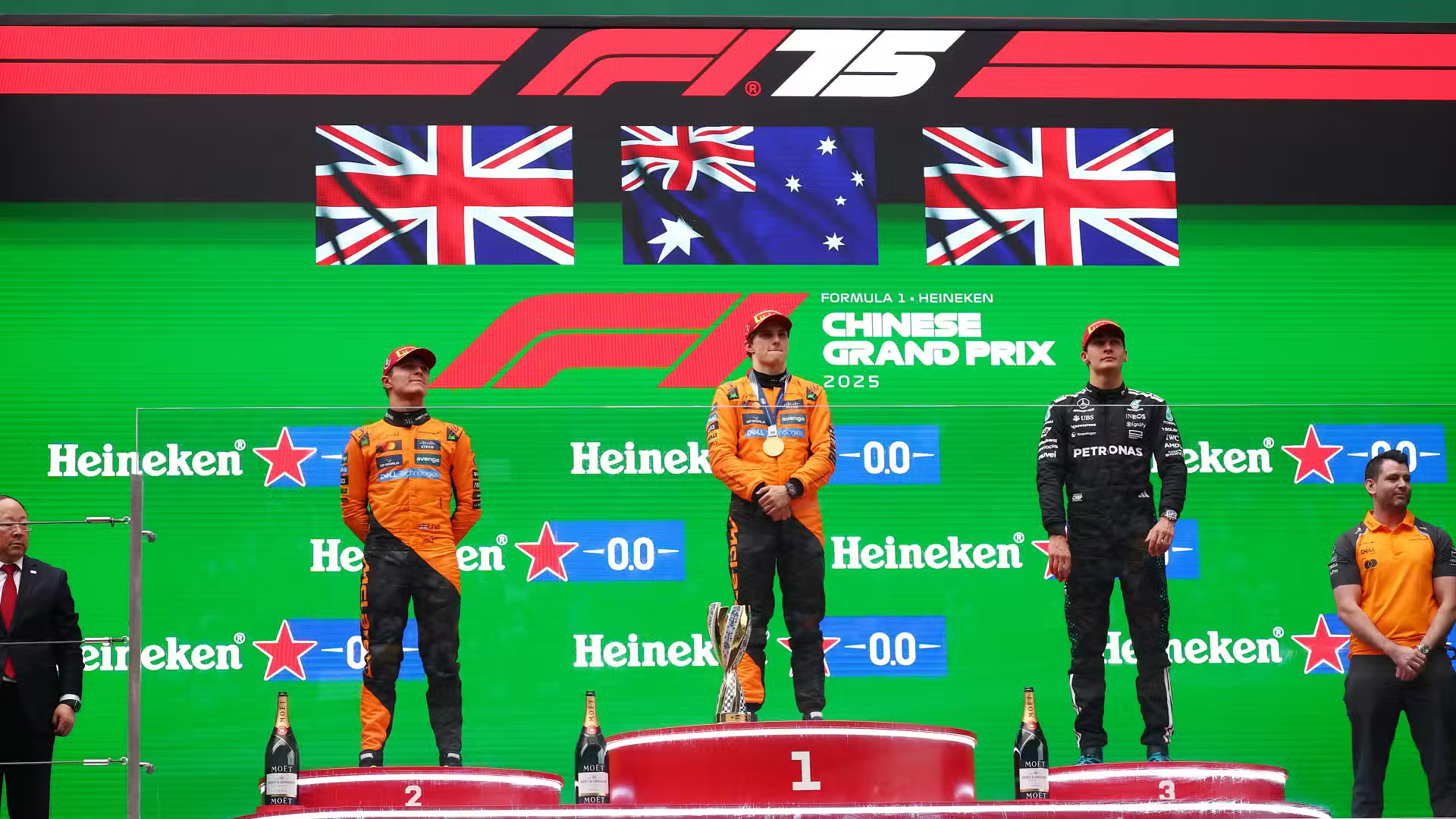
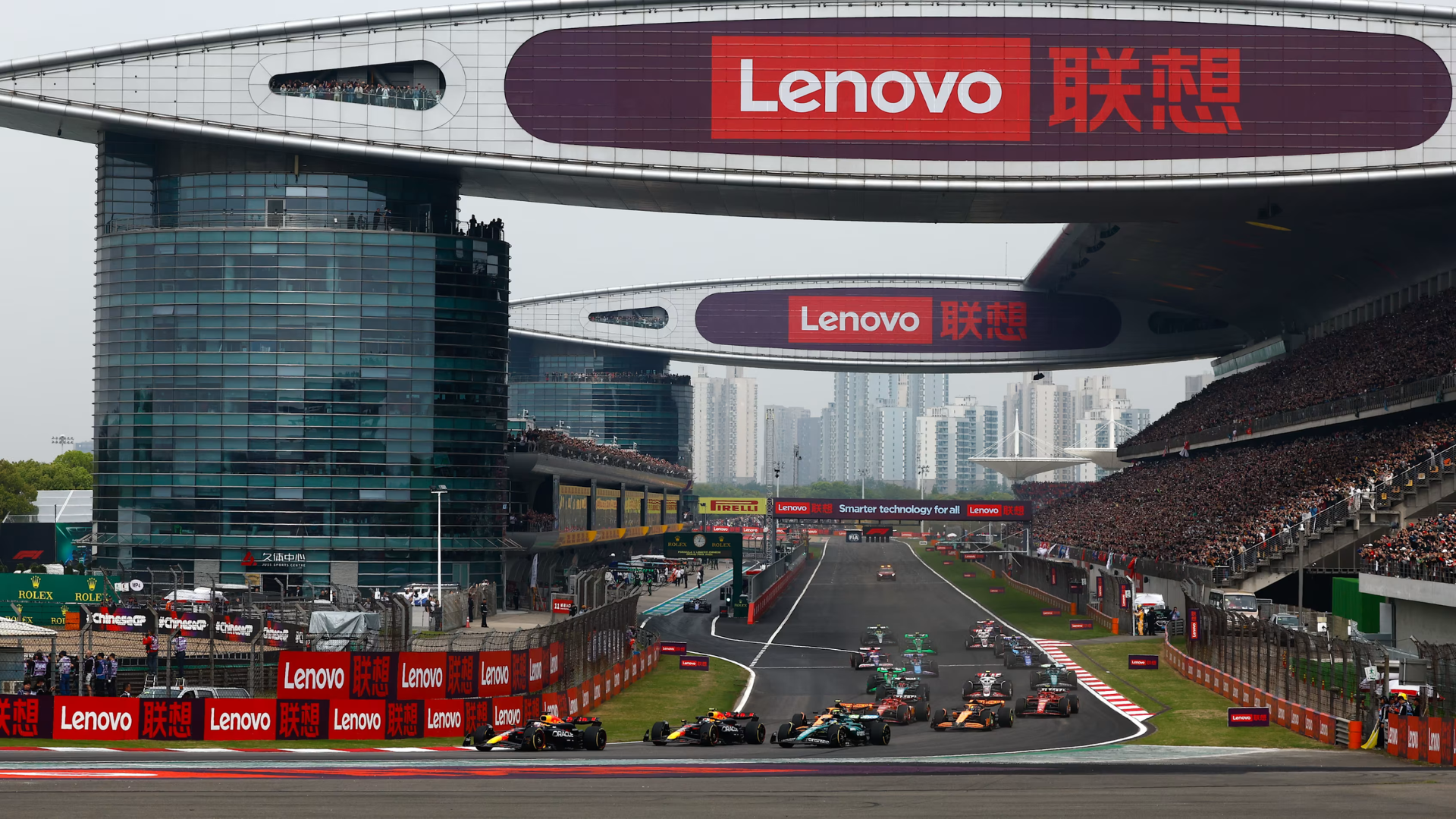
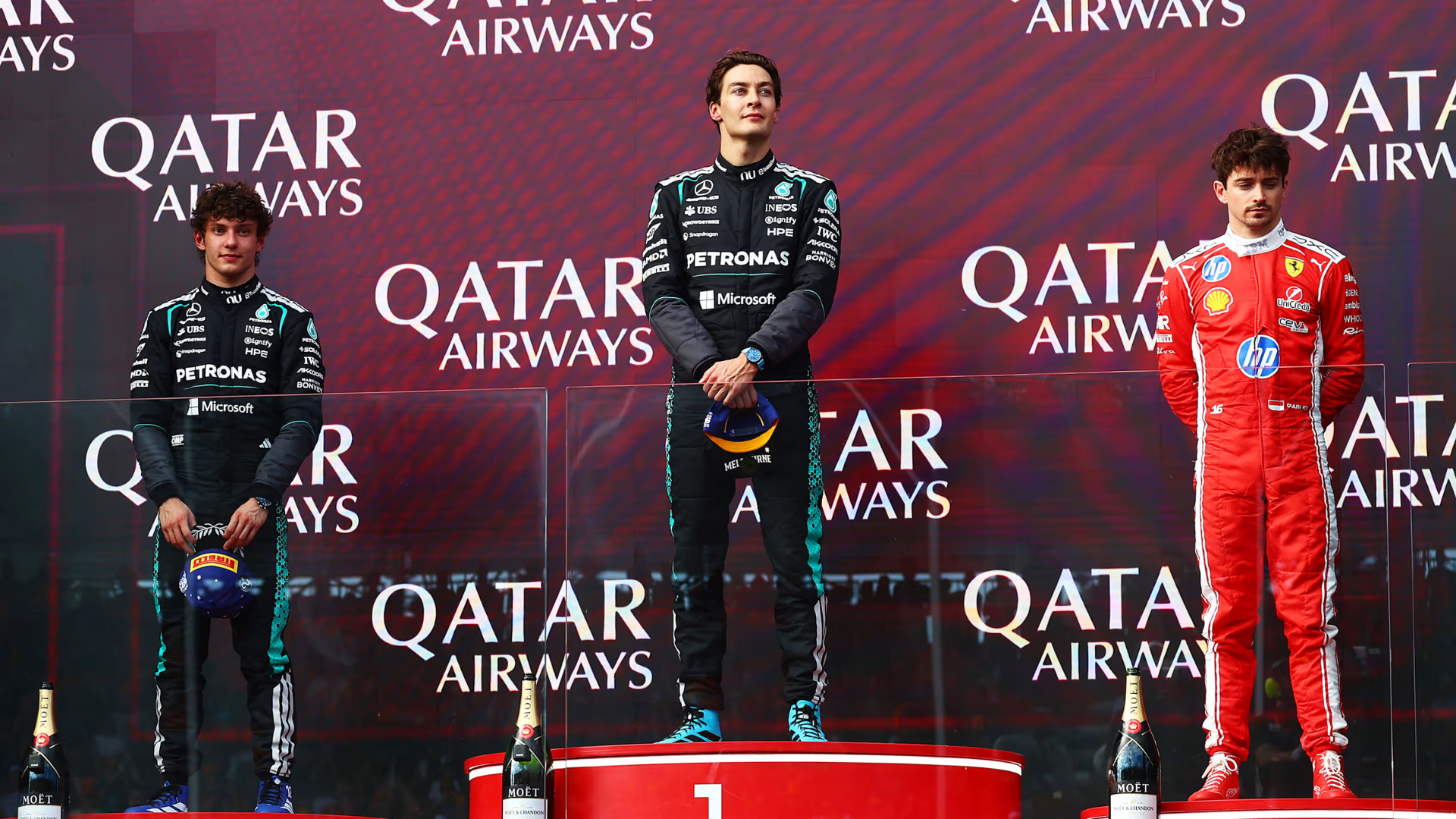
Kimi Antonelli, now settling into his second season, is also demonstrating remarkable consistency, capturing his maiden win recently in Shanghai. Brackley engineers clearly prioritized aerodynamic stability, ensuring the drivers have complete confidence pushing through the demanding Degner sections. Expect the Silver Arrows to comfortably lock out the front row.
Ferrari: Maranello’s Internal Warfare
Maranello boasts the most headline-grabbing driver pairing in modern motorsport history. Charles Leclerc and Lewis Hamilton possess seven world titles and immense raw speed between them. While they chase Mercedes, Ferrari can produce great battles within their own ranks. The intra-team rivalry is intensely close, and watching these two elite drivers fight for supremacy in identical machinery could provide the race’s best entertainment, as we saw in the 2026 Chinese Grand Prix.
Hairpin and Triangle chicane exits will suit the SF-26 perfectly, allowing them to deploy electrical energy exceptionally early. Hamilton has historically excelled at the Japanese GP, while Leclerc often finds lap time performance where none seemingly exists over a single flying qualifying lap.
Red Bull & McLaren: Racing the Reliability Clock
Both Red Bull and McLaren entered 2026 with huge ambitions, but have they fixed their glaring reliability problems?
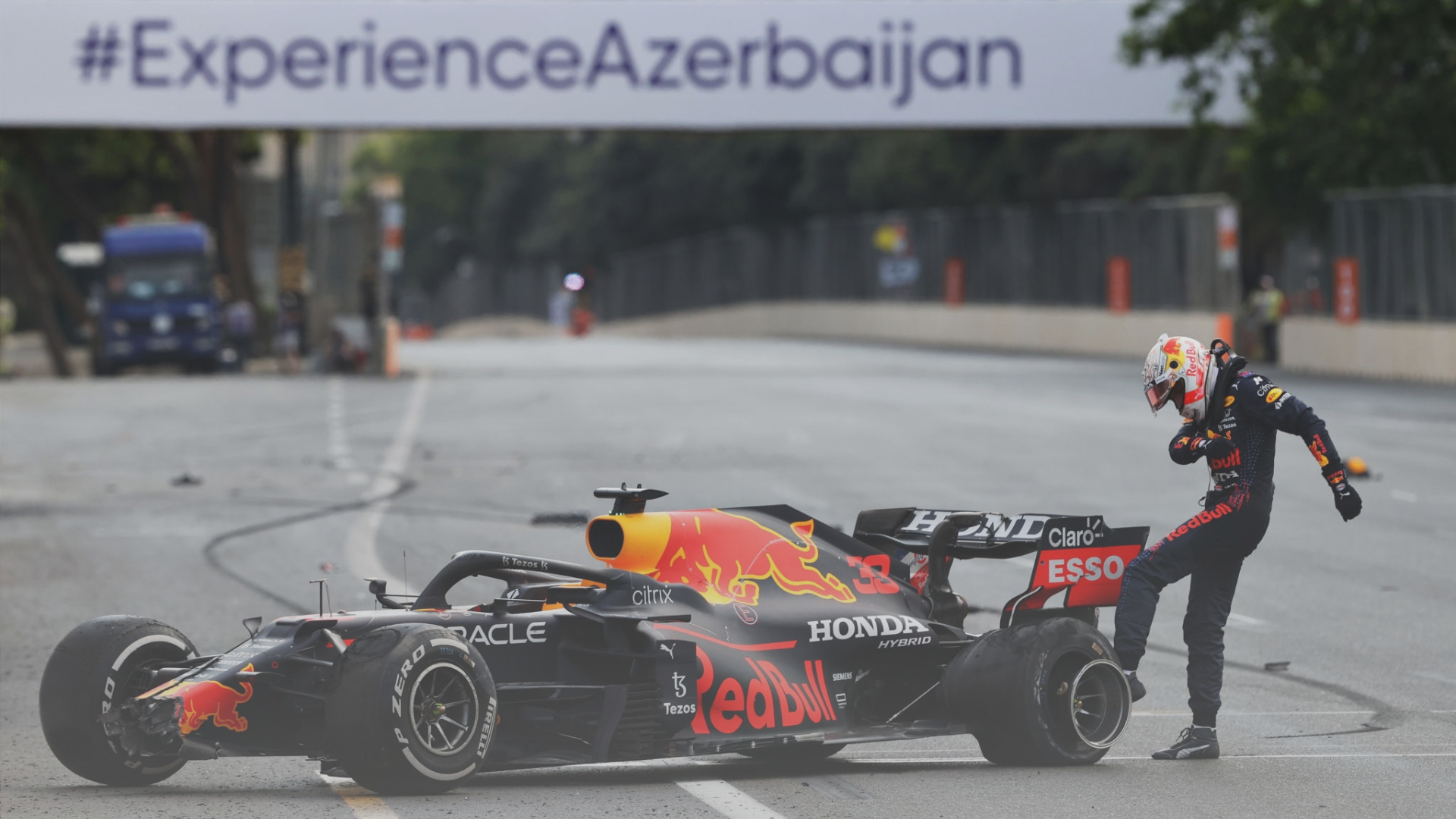
McLaren suffered a catastrophic double DNS for Lando Norris and Oscar Piastri in Shanghai, leaving massive questions over their adaptation to the new engine rules. Meanwhile, Red Bull’s Ford-powered powertrain is suffering severe teething issues, leaving four-time Suzuka winner Max Verstappen critical of the car and languishing at 25/1 odds.
If they have resolved these issues, it would be incredibly interesting to see them battling at full potential. Verstappen still extracts phenomenal lap times from the aggressive RB22 chassis, and McLaren’s high-speed aerodynamic upgrades could elevate them straight back into the podium fight—if the cars can survive the full 53 laps.
How Do the New Regulations Affect the Japanese GP?
Understanding the mechanical shifts is essential before dissecting individual team performances. The 2026 technical regulations introduced several radical changes:
Size & Weight
Smaller, significantly lighter cars designed to improve overall agility and cornering.
Power Split
A completely altered 50/50 power split between internal combustion and electric energy.
Active Aero
Movable front and rear wing elements that automatically adjust drag and downforce.
Running out of battery power before the critical overtaking zones leaves drivers severely vulnerable. These fresh rules make this iteration of the race a brutal test of power unit efficiency.
“Harvesting kinetic energy under heavy braking is now the primary method of replenishing the battery pack. Consequently, managing the state of charge throughout a fifty-three lap distance requires immense mental bandwidth from the pilot.”
The Midfield Battle
Overtaking is notoriously difficult around this narrow layout, putting a massive premium on Saturday grid positions for these Suzuka Grand Prix contenders:
- ■ Haas: Arrives with a special Godzilla-themed livery. Their chassis treats the Pirelli rubber gently, opening up highly flexible strategy options.
- ■ Alpine: Now utilizing reliable Mercedes power units, Gasly and Colapinto are consistently fighting for points.
- ■ Aston Martin: Struggling to match the rapid development rate, leaving Alonso and Stroll battling a difficult aerodynamic package.
- ■ Cadillac: The debut season brings immense intrigue, but Bottas and Perez are restricted by an underdeveloped platform.
- ■ Williams & Audi: Sainz and Albon look for top speed, while Audi (Hulkenberg/Bortoleto) uses this phase as an extended test session.
Weather & Tyre Degradation
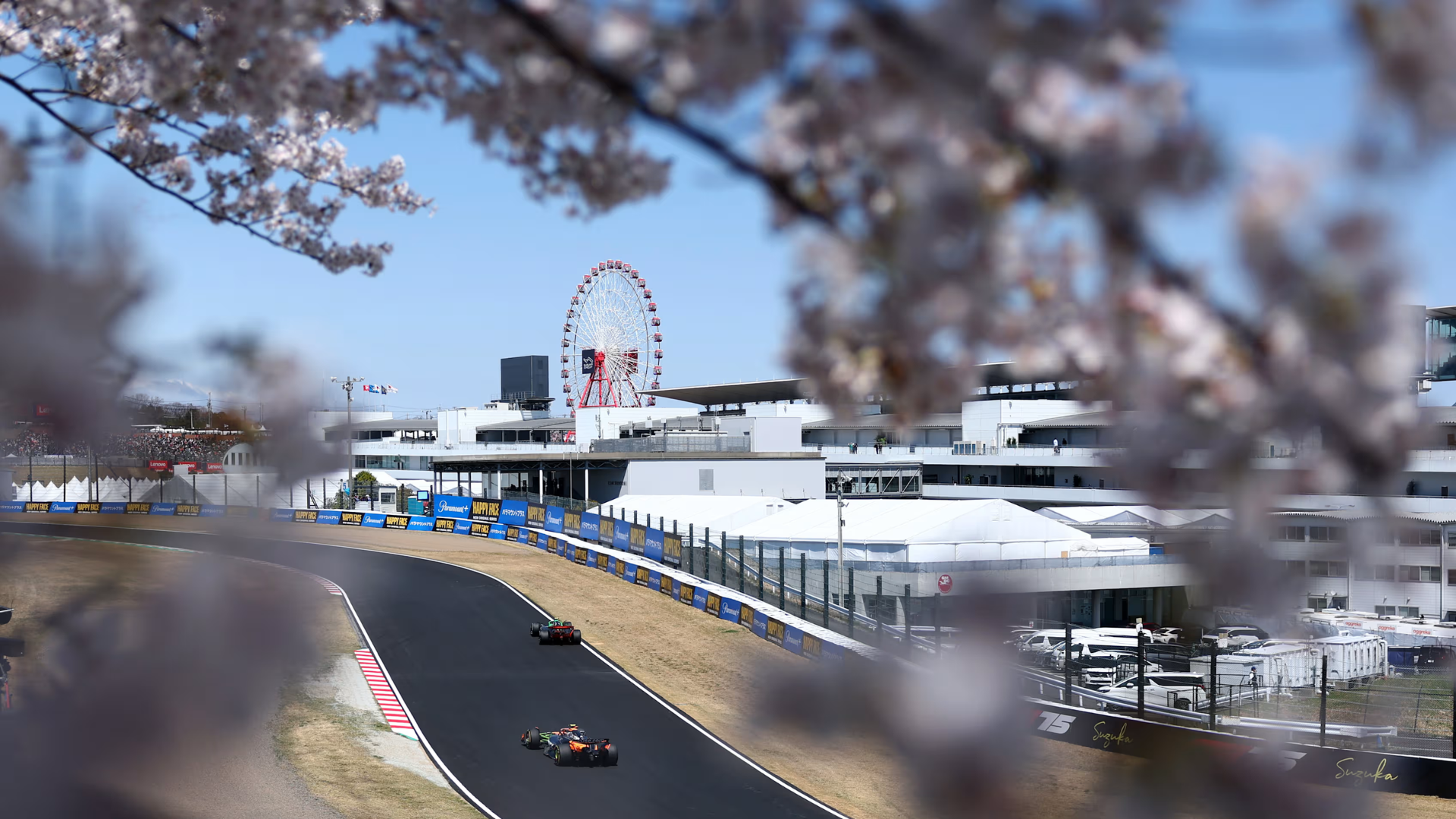
Moving this event to the spring calendar slot drastically changes the ambient conditions. March in the Mie Prefecture brings cooler temperatures and a heightened threat of torrential rainfall. Driving in wet conditions here is exceptionally perilous due to the frightening proximity of the concrete barriers through the Dunlop curve.
Furthermore, the highly abrasive asphalt at this historic venue punishes the front-left tyre relentlessly. Sustained cornering loads through the sweeping Spoon Curve generate immense surface temperatures that degrade the internal carcass structure. Drivers who avoid needlessly sliding the car will open up lucrative under-cut opportunities during the frantic pit stop window.
Conclusion: The Ultimate Aero Test
The 2026 Japanese Grand Prix acts as the ultimate aerodynamic lie detector for these brand-new technical regulations. Mercedes currently holds a massive early-season advantage, but the relentless development race is only just beginning.
Rivals trailing at this event must quickly commit to aggressive upgrade packages if they hope to salvage their championship campaigns. Ultimately, whoever conquers this historic circuit establishes themselves as the definitive benchmark for the remainder of the Formula One season.
Interested in reading more about the 2026 Japanese Grand Prix? Read our article about the Japanese Grand Prix Winners (1976-2026).